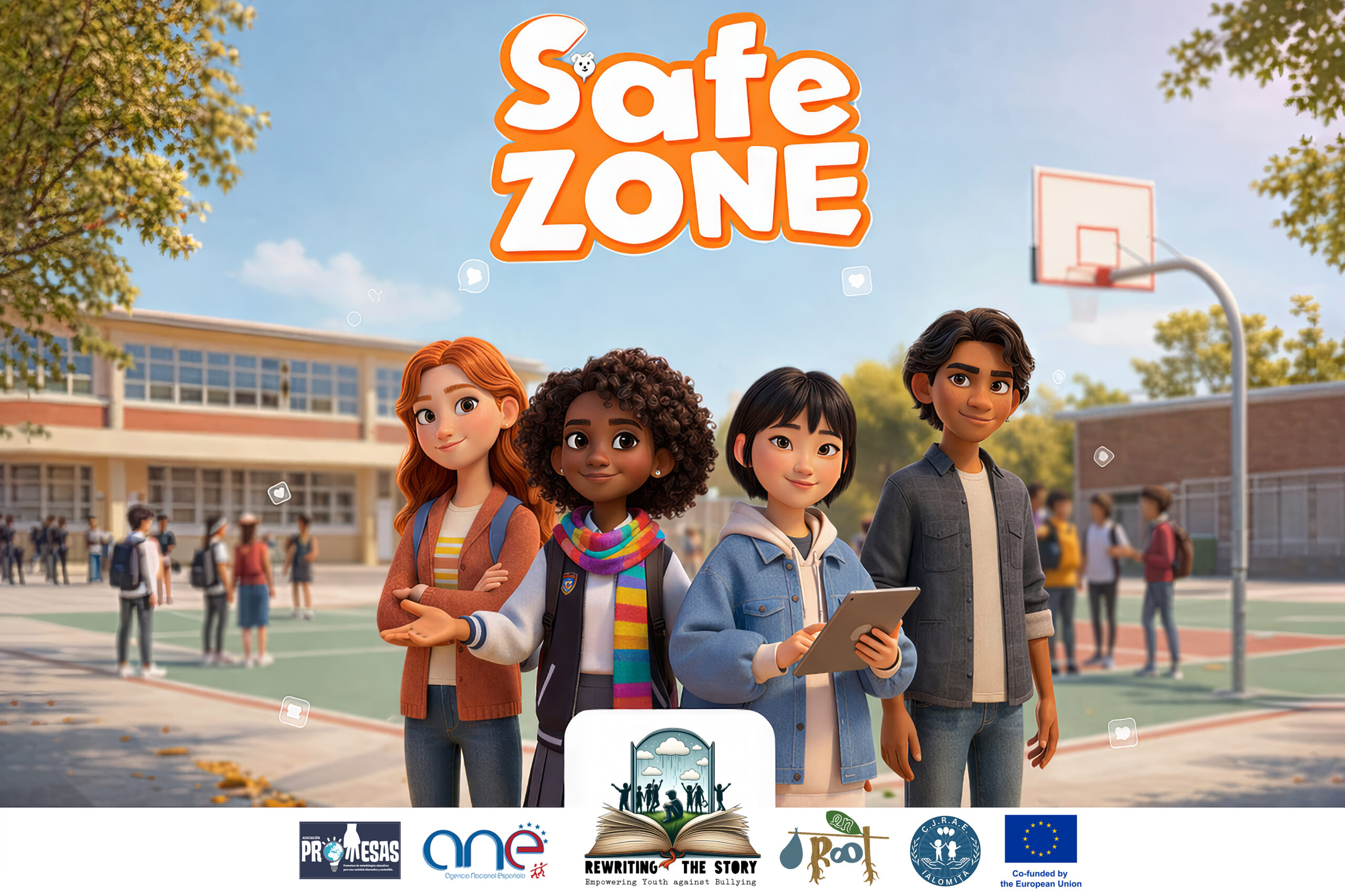
Safe Zone
A cooperative non-formal education tool for young people over 13, based on 60+ real anonymous bullying testimonies collected across Europe. Explore, debate and respond together to protect your school.
what is safe zone
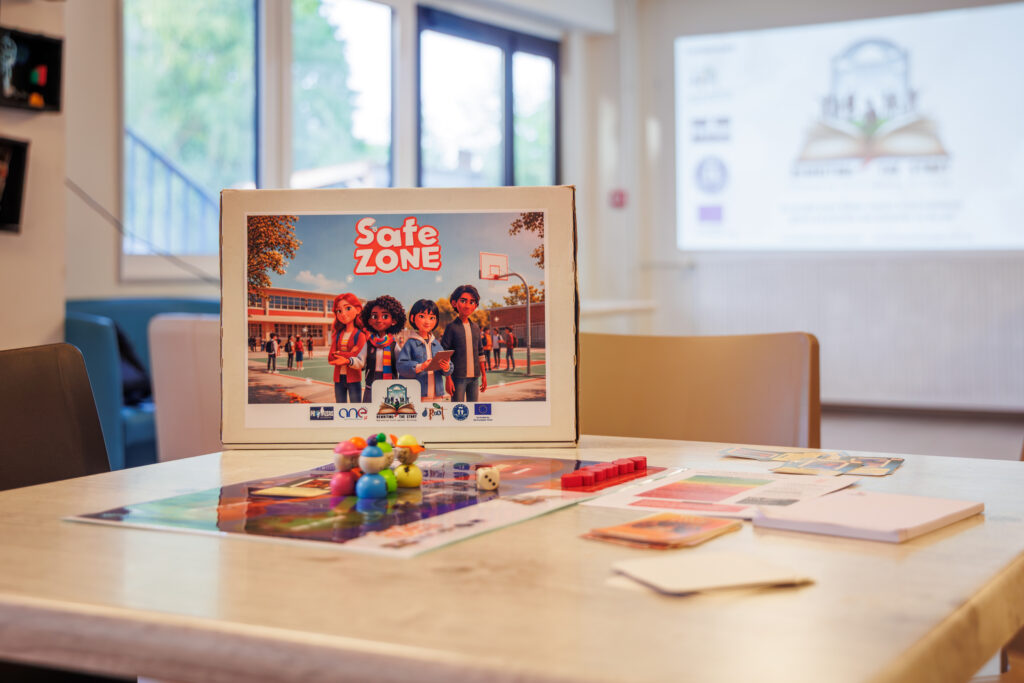
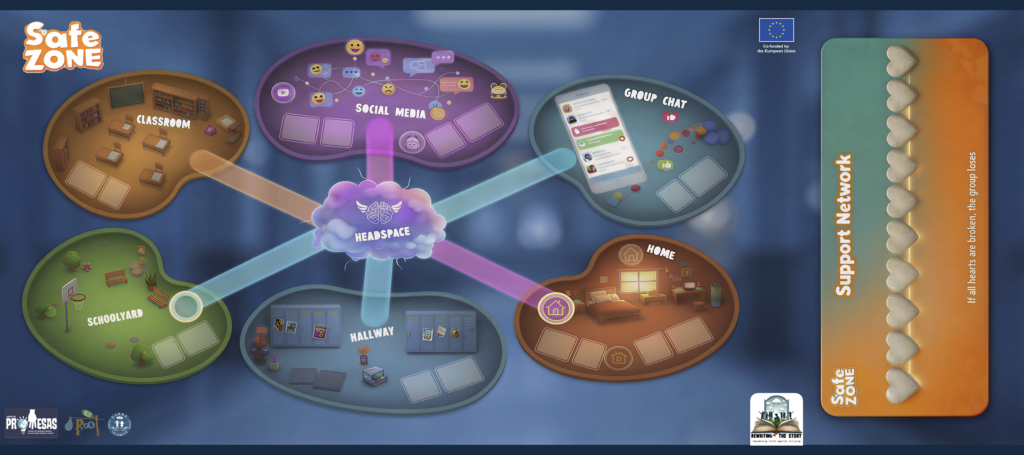
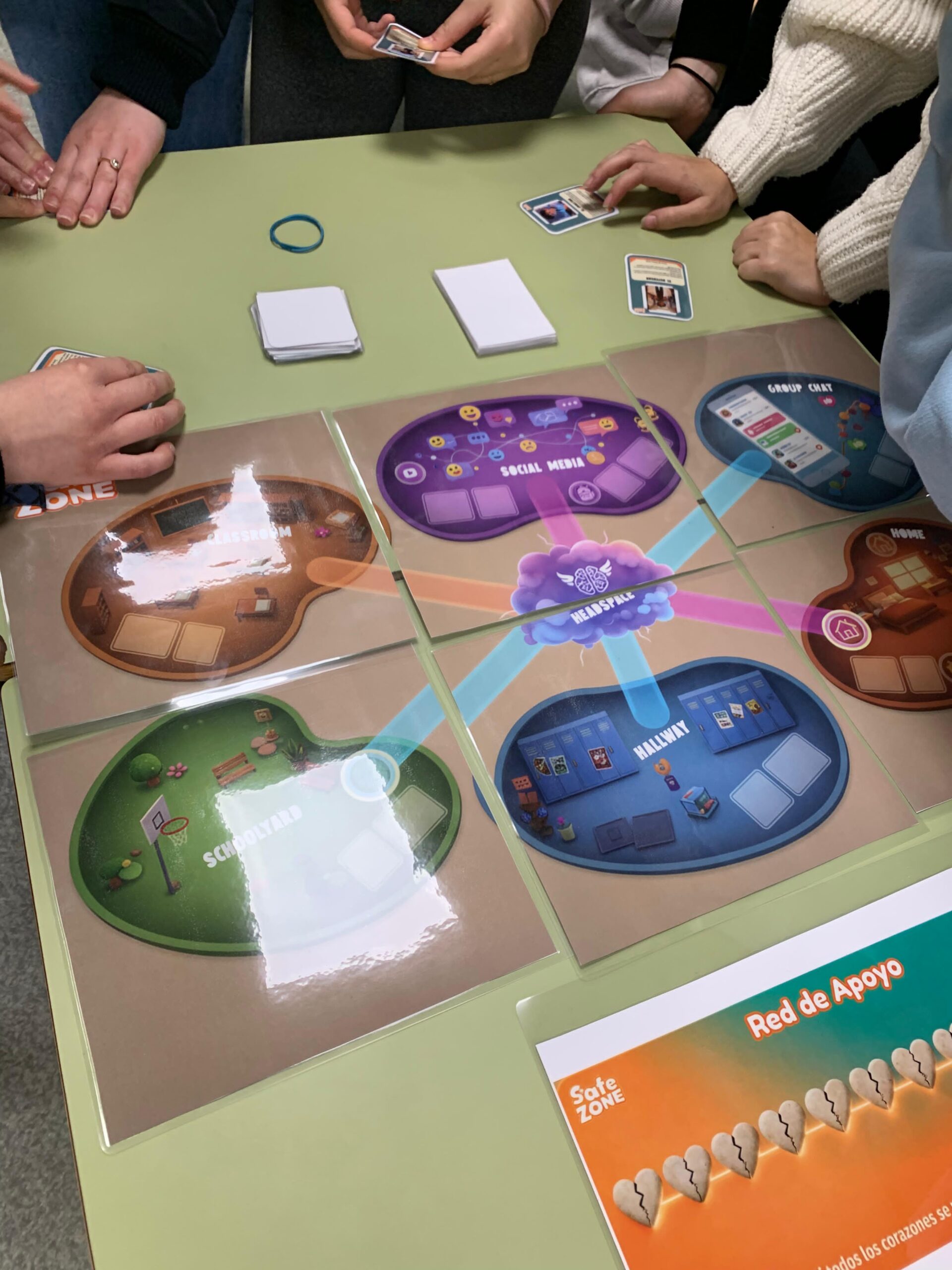
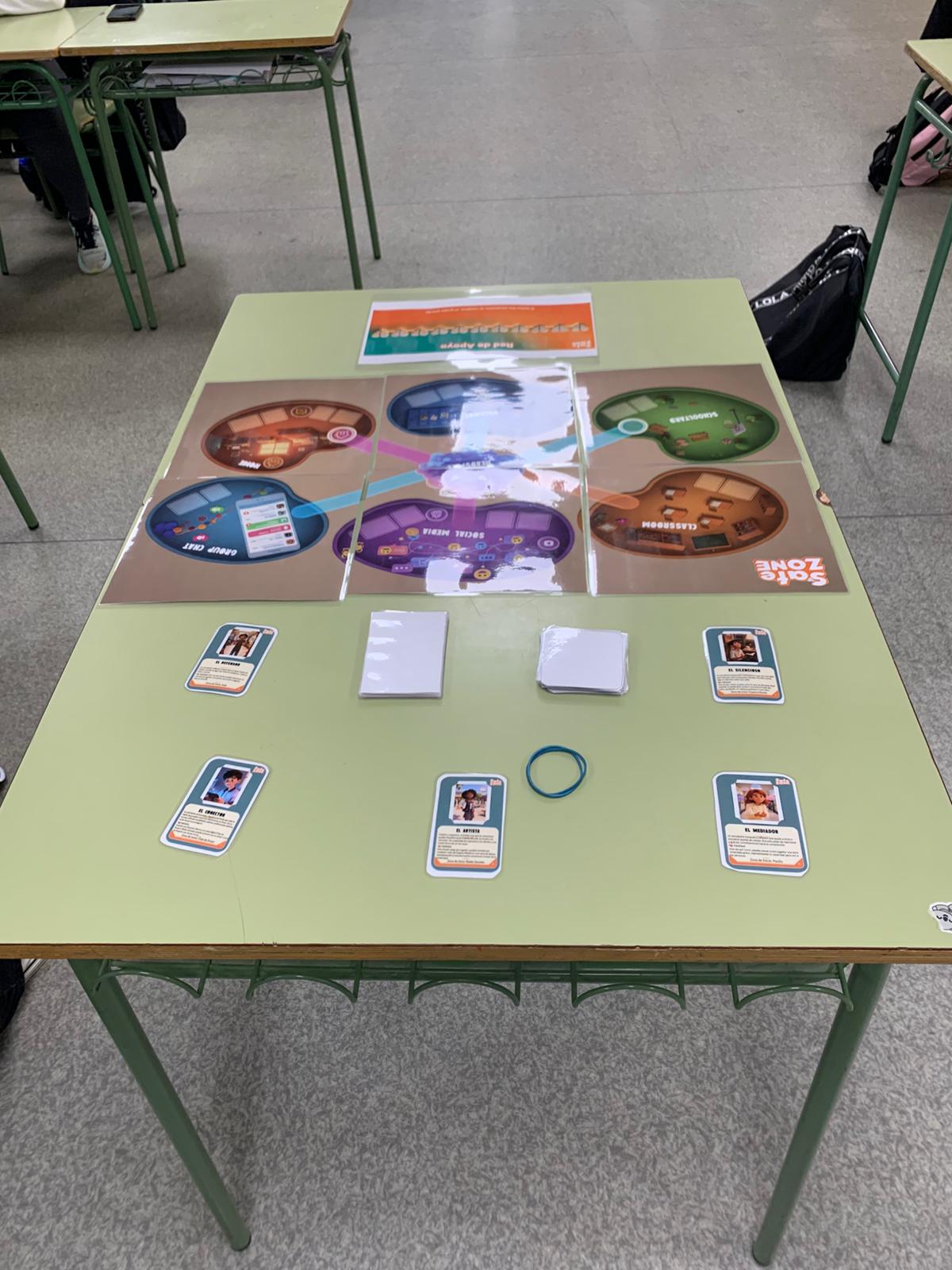
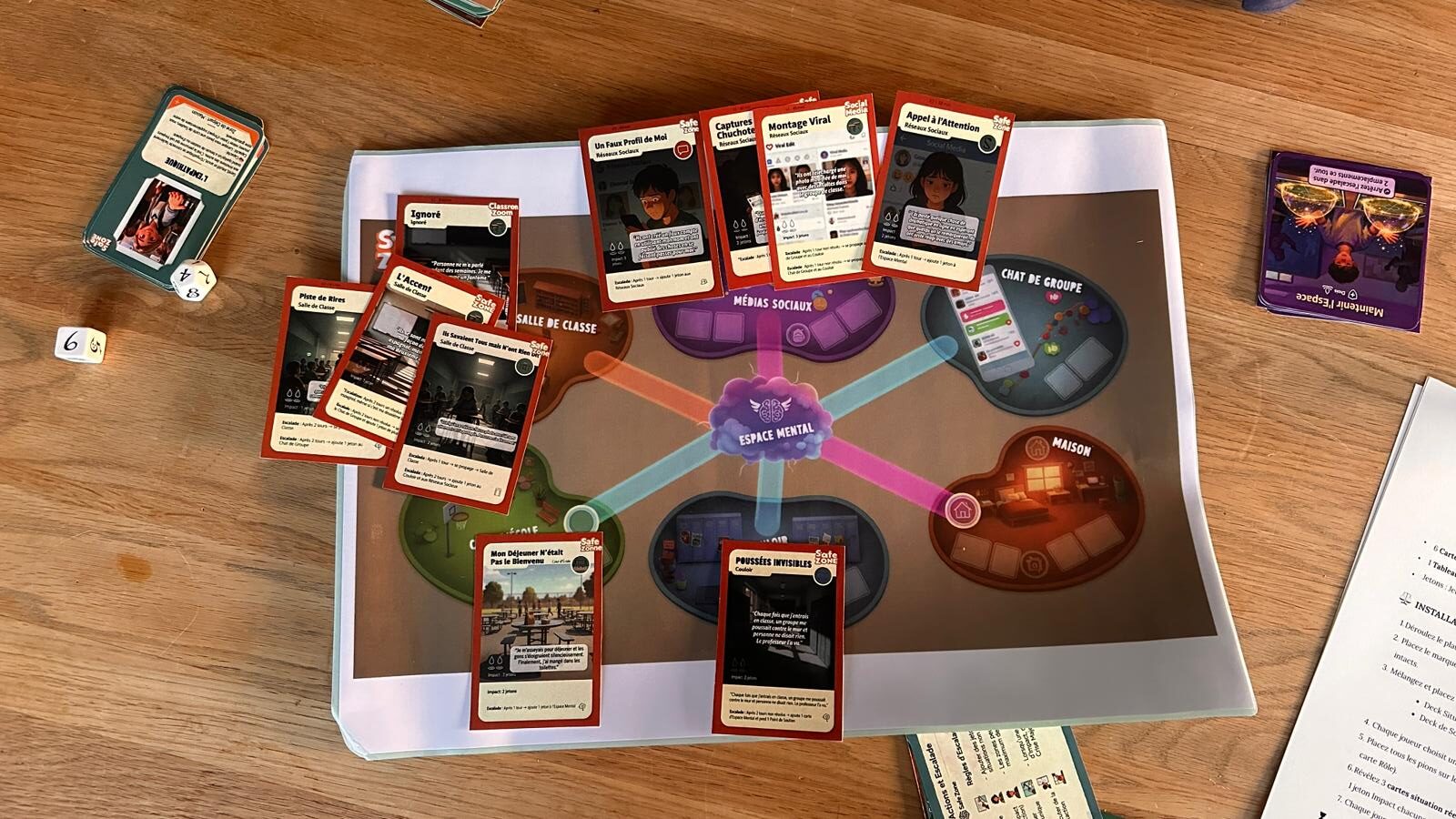
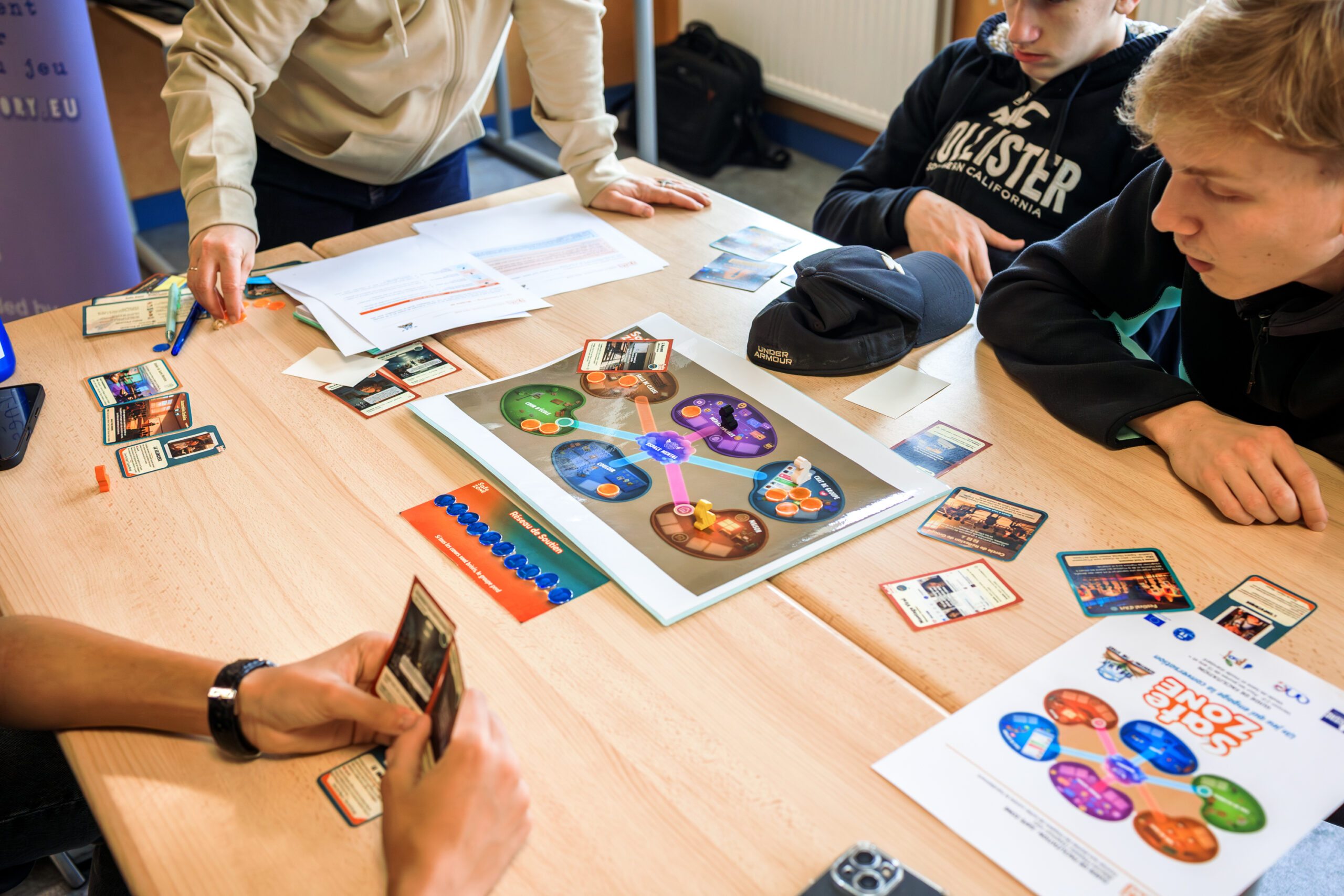
Safe Zone is a cooperative board game developed within the Rewriting the Story Erasmus+ KA2 project. Players take on complementary roles and work together across 7 school and digital zones to resolve real bullying situations, keeping the Support Network (10 hearts) alive to win. No competition — your group wins or loses together. The real learning happens in the debrief, where game situations connect to real lived experiences and open genuine conversations.
Three pillars of play
01
Reveal the Situation
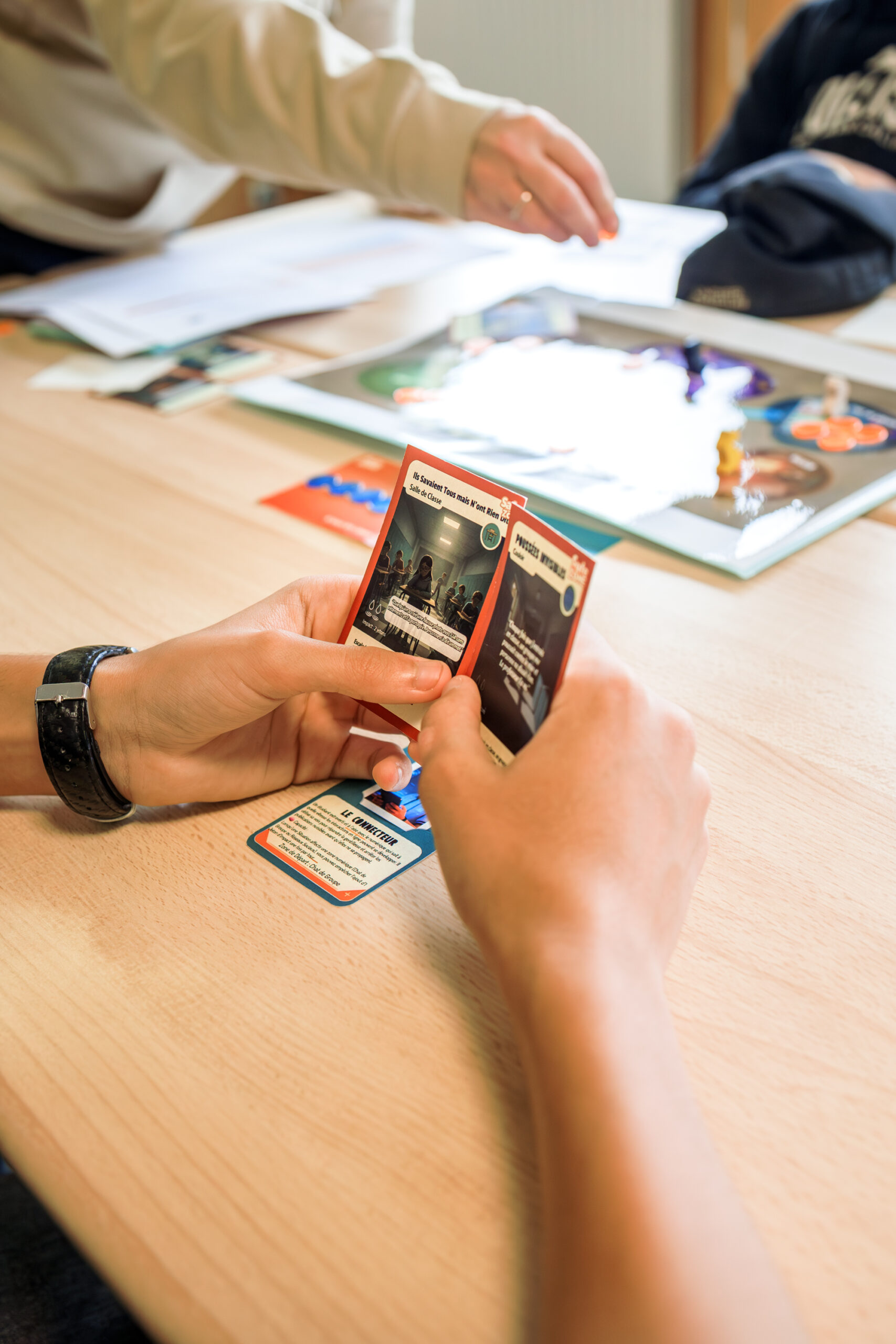
Draw a Real Situation card and read it aloud slowly. Let it resonate — 10 seconds of silence before acting is more valuable than rushing to debate. The quote is a real voice: treat it with respect.
02
Plan Together
Each player says aloud: where they move, what they would do in this real situation and why (the key educational moment), and which cards or abilities to use. No time limit — this is the heart of the game.
03
Act & Reflect
3–5 minute timer. Execute the plan, eliminate Impact Tokens. Win together or lose a heart. After all situations, the 4F debrief is where real learning happens — never skip it.
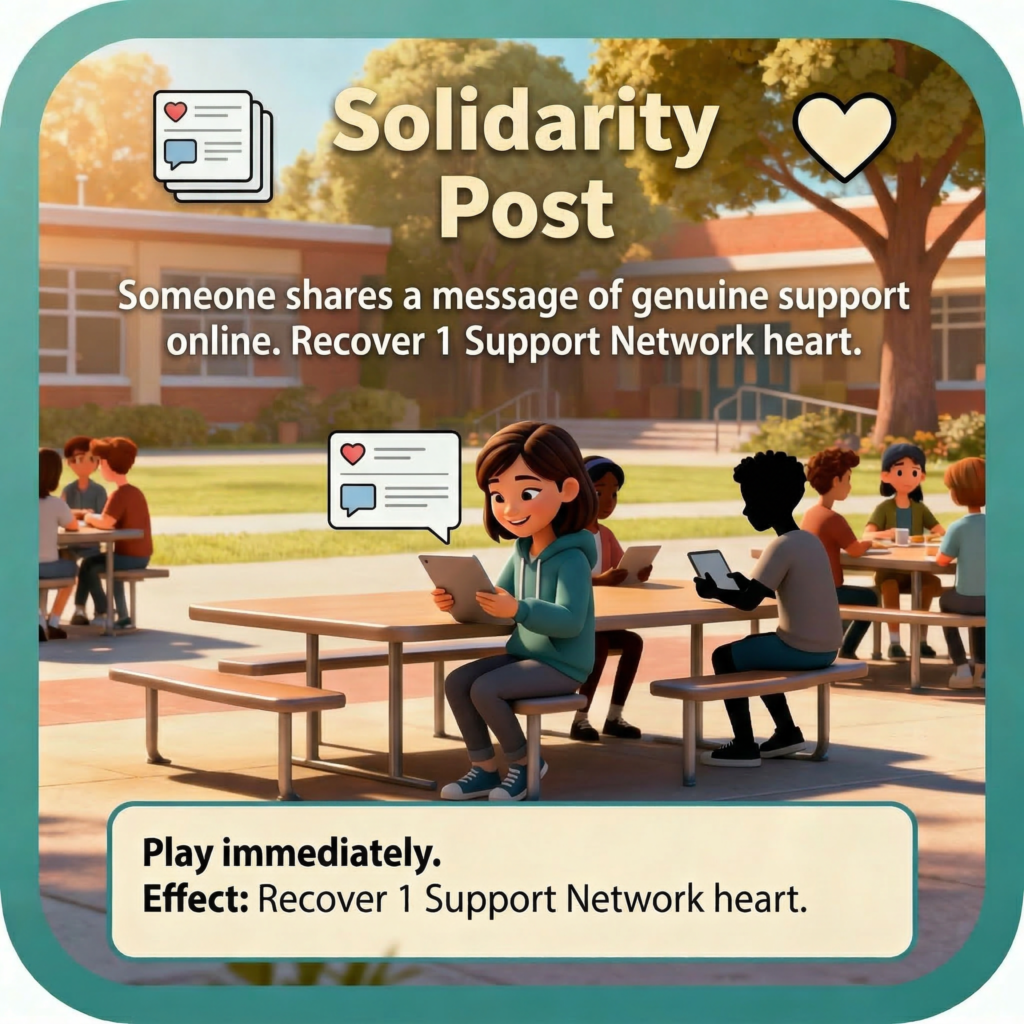
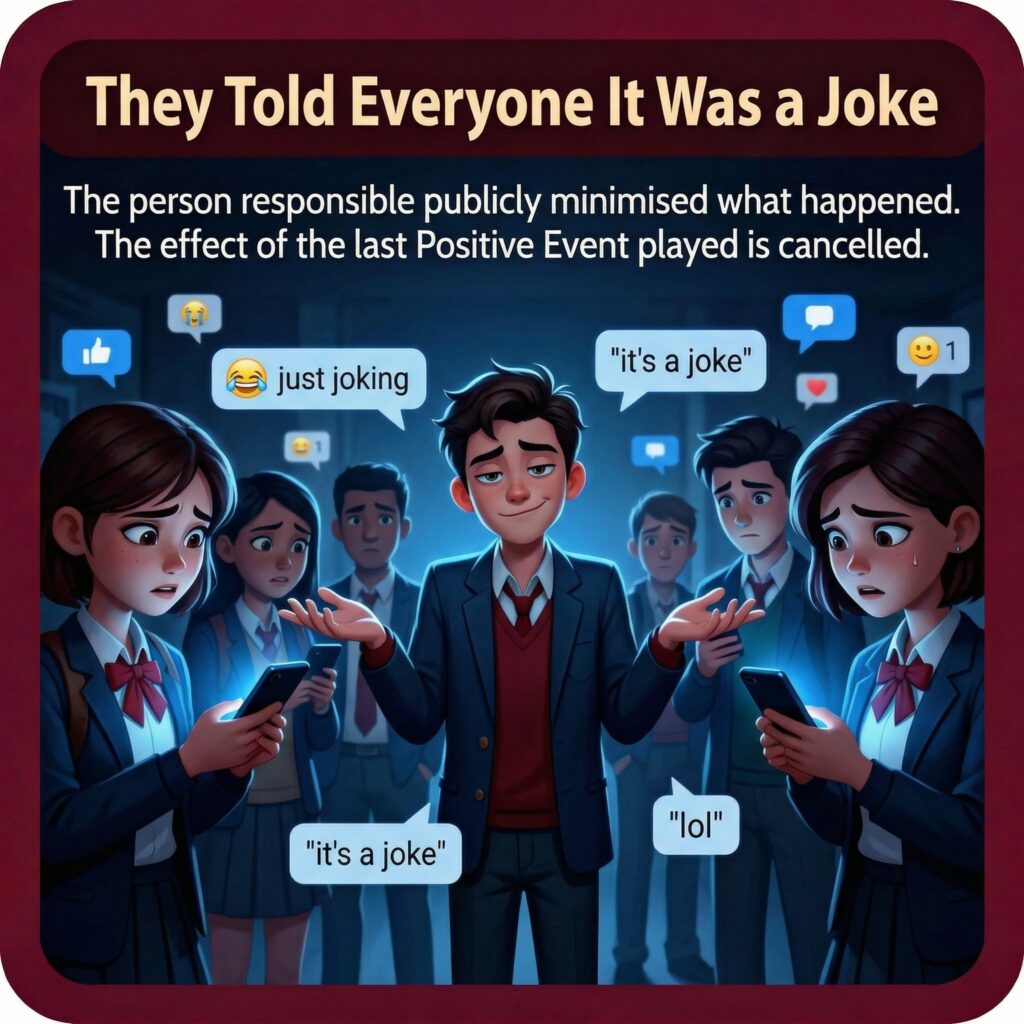
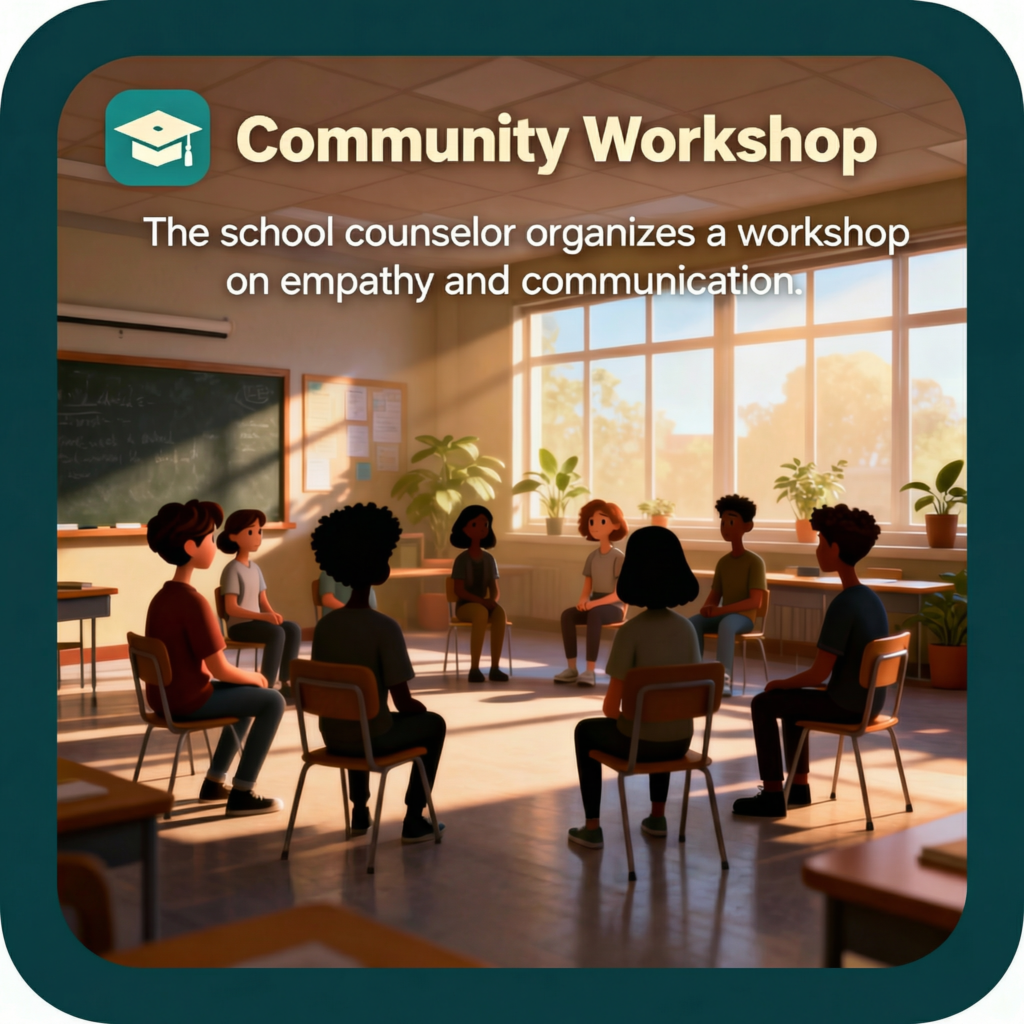
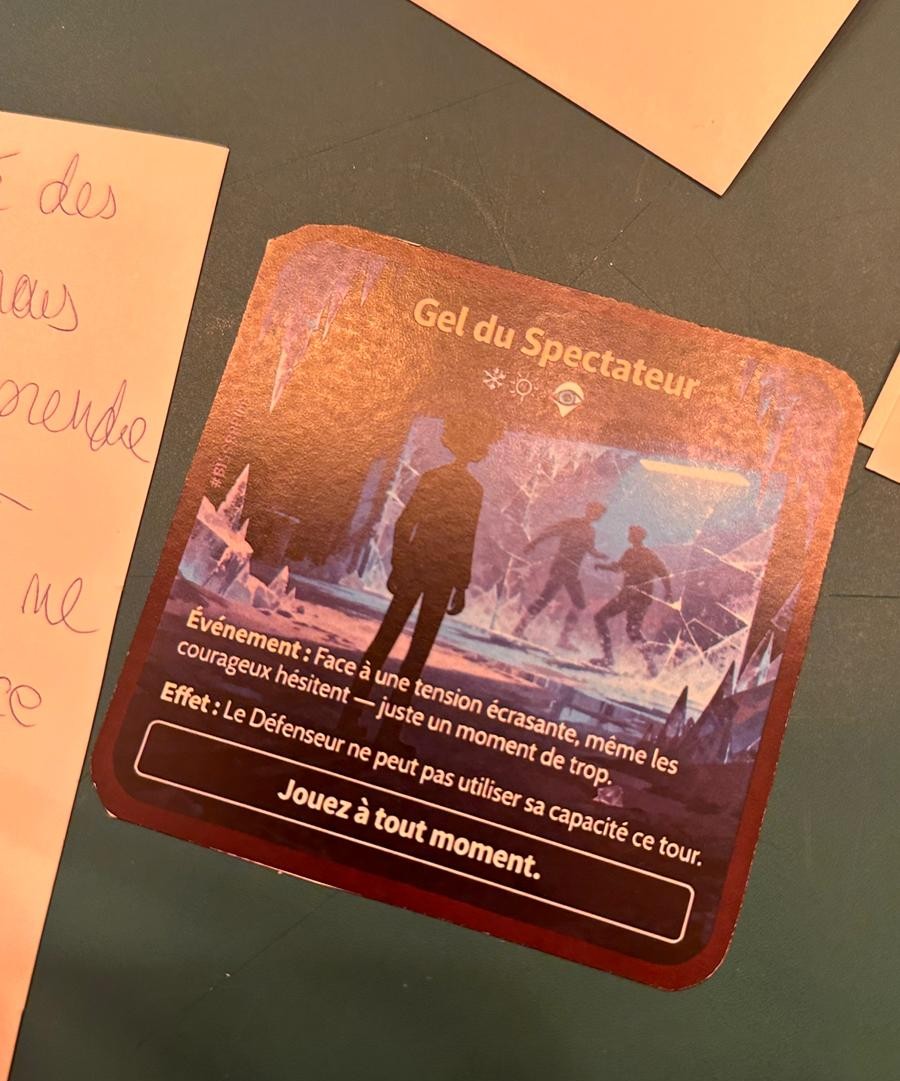
The 4 card types
Every card shapes the game

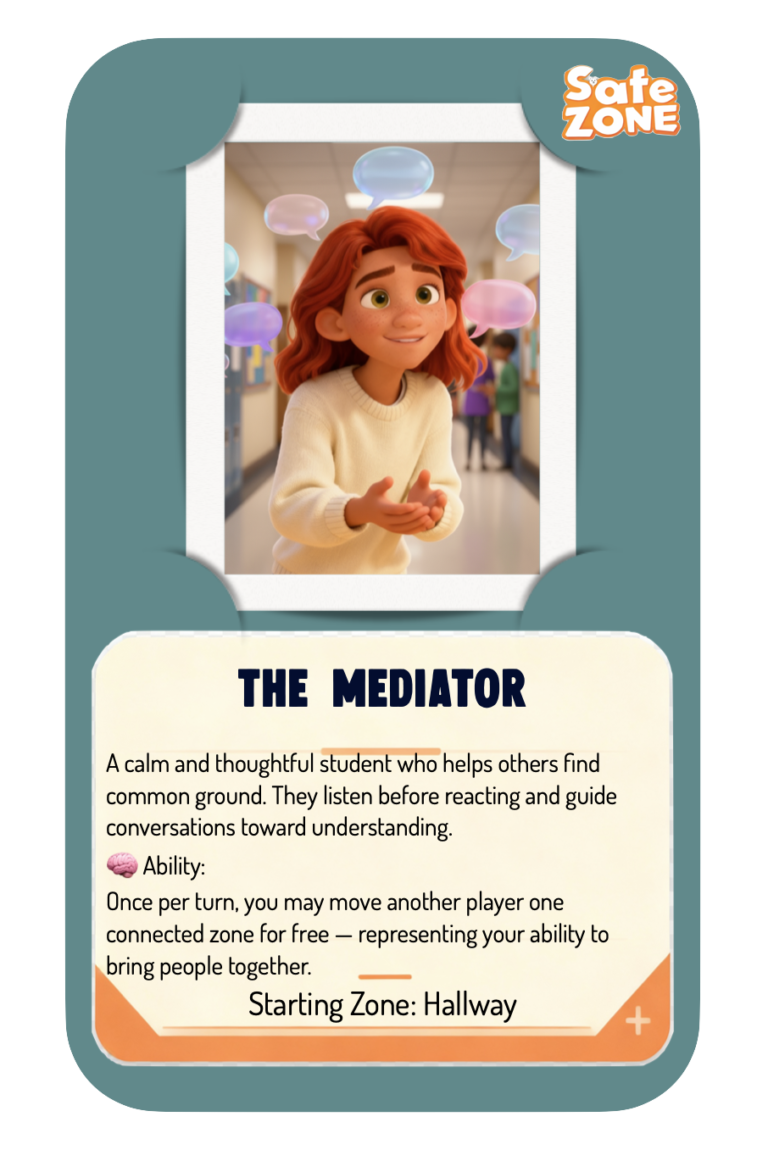
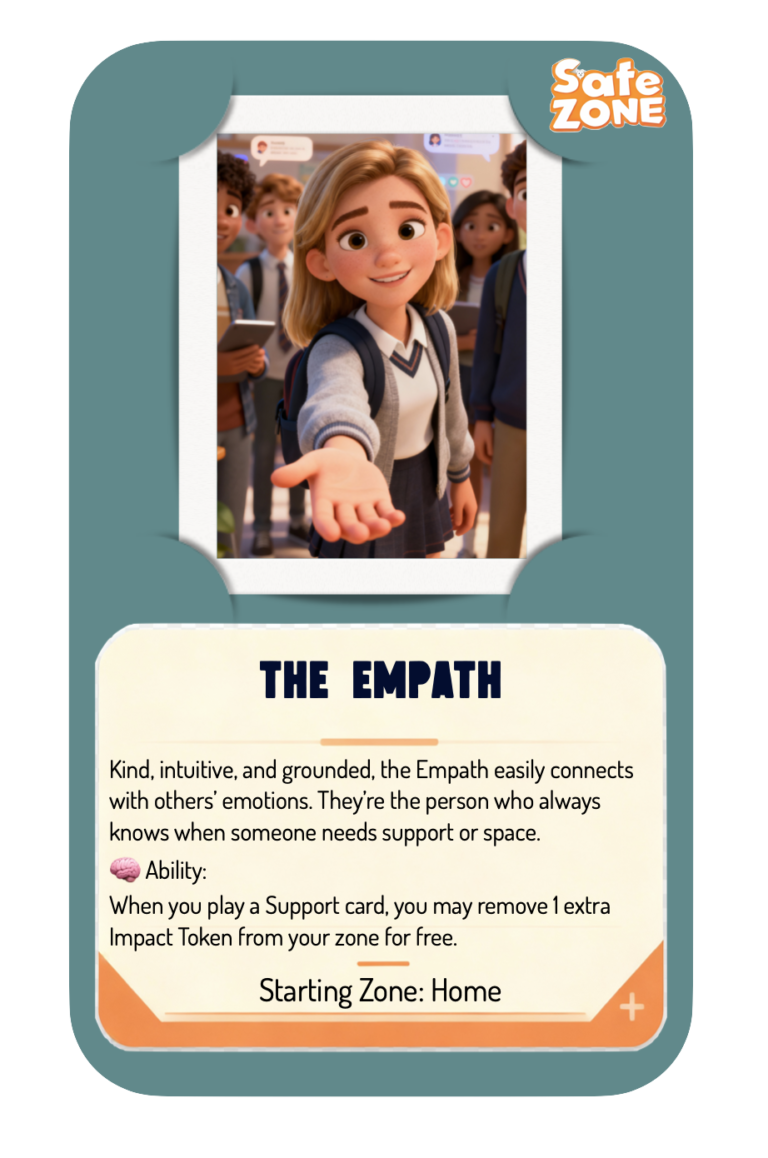
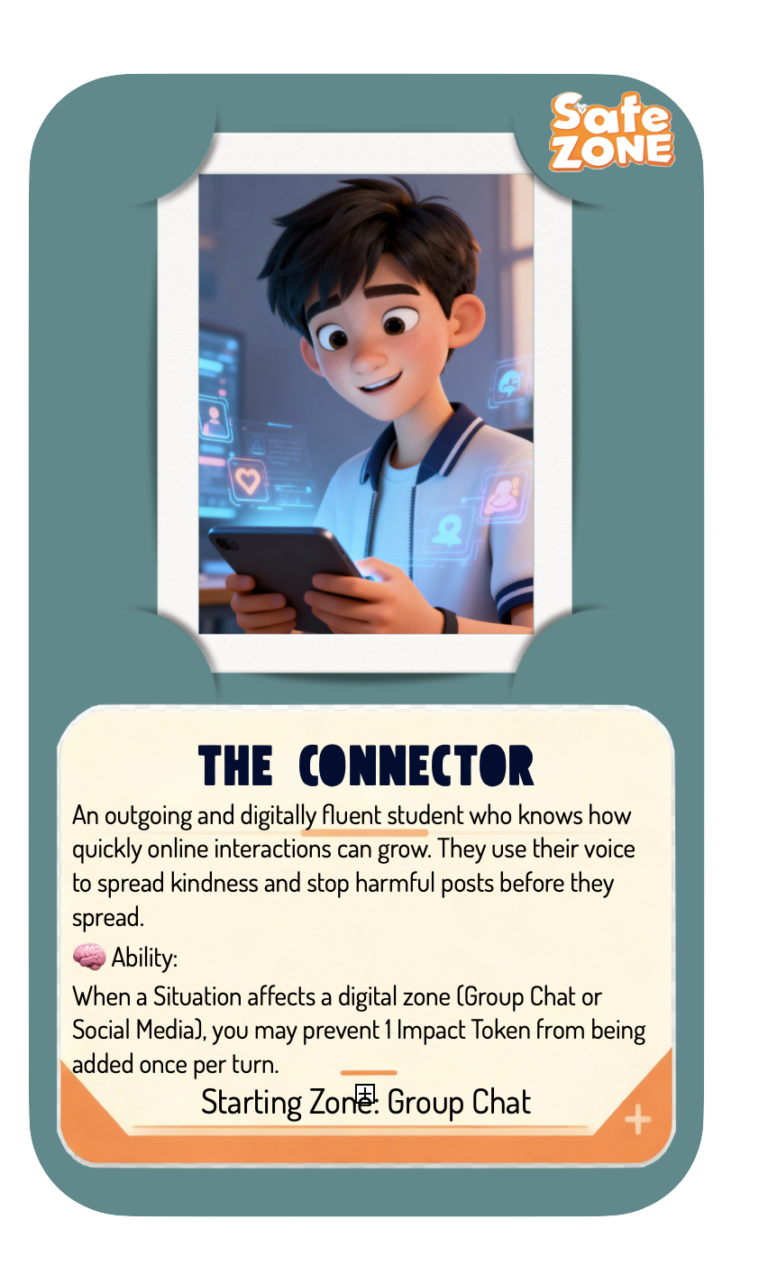
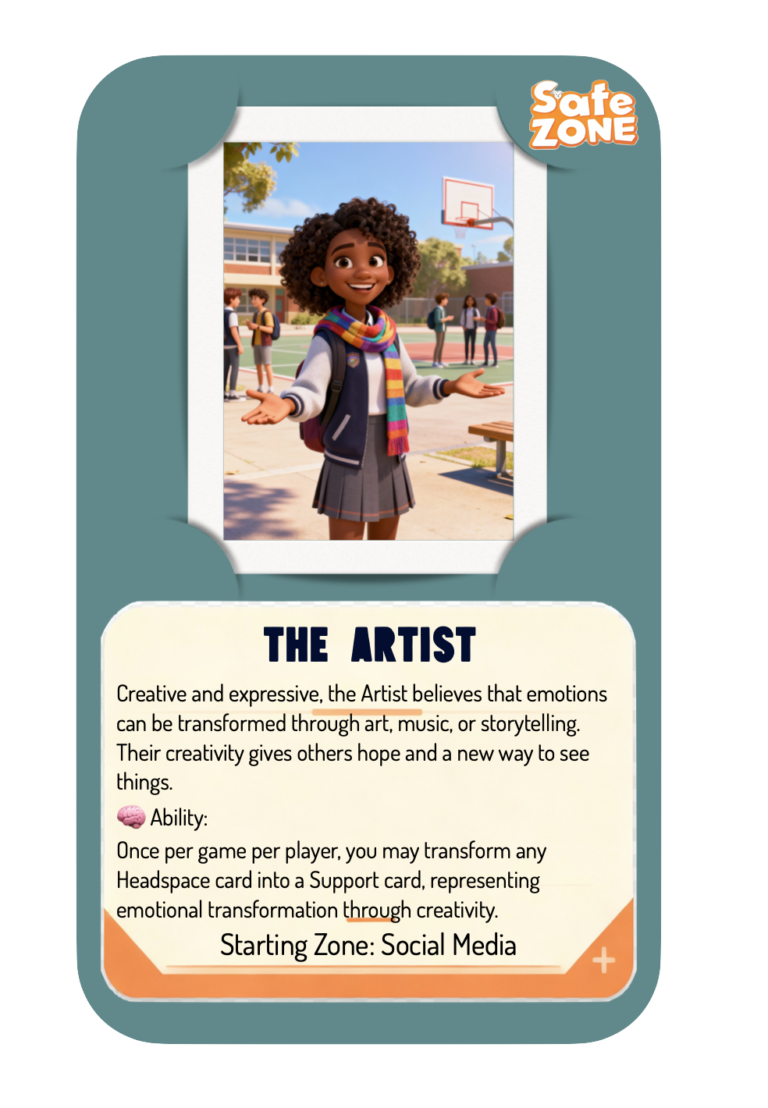
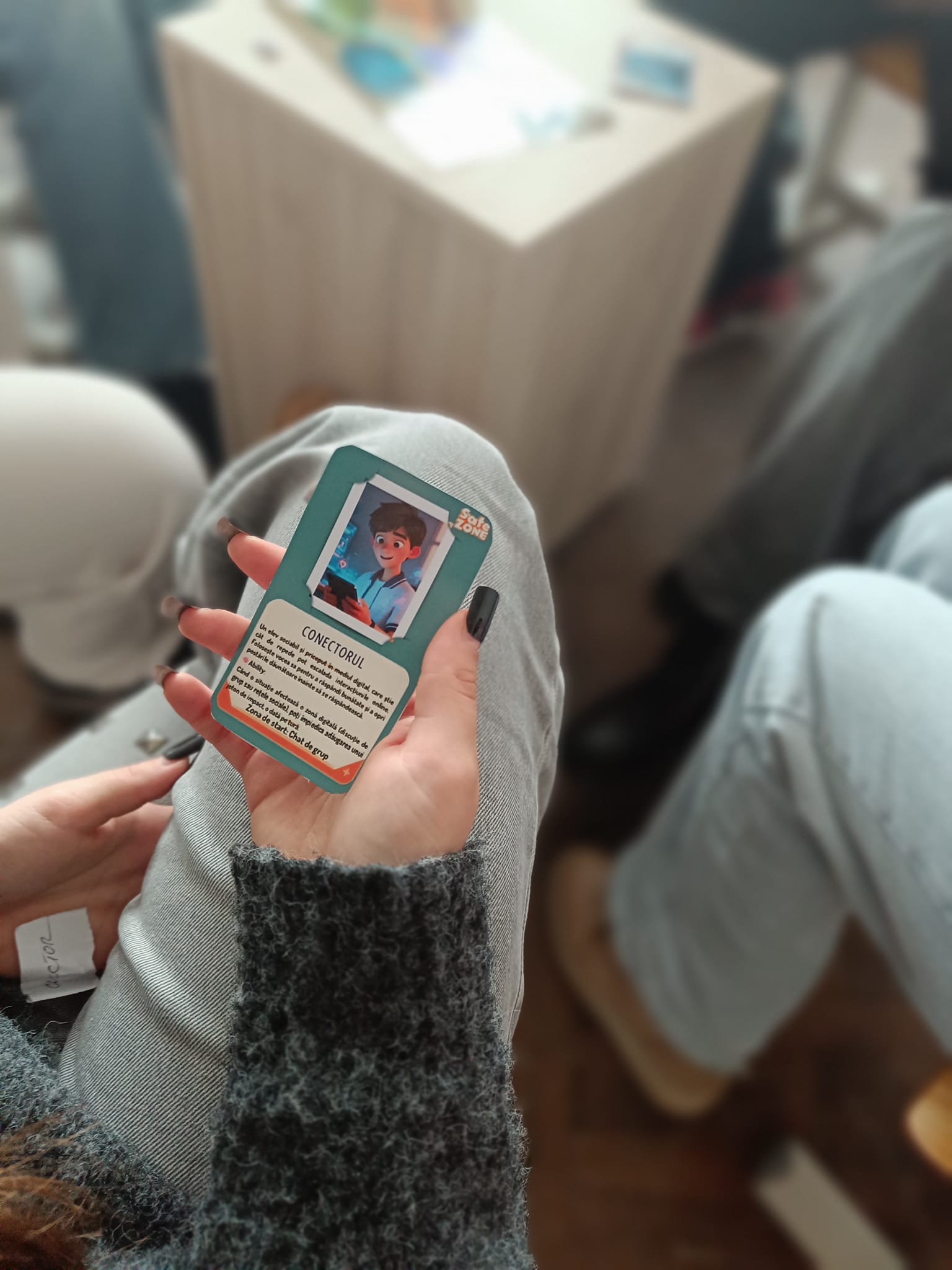
Meet the 6 characters
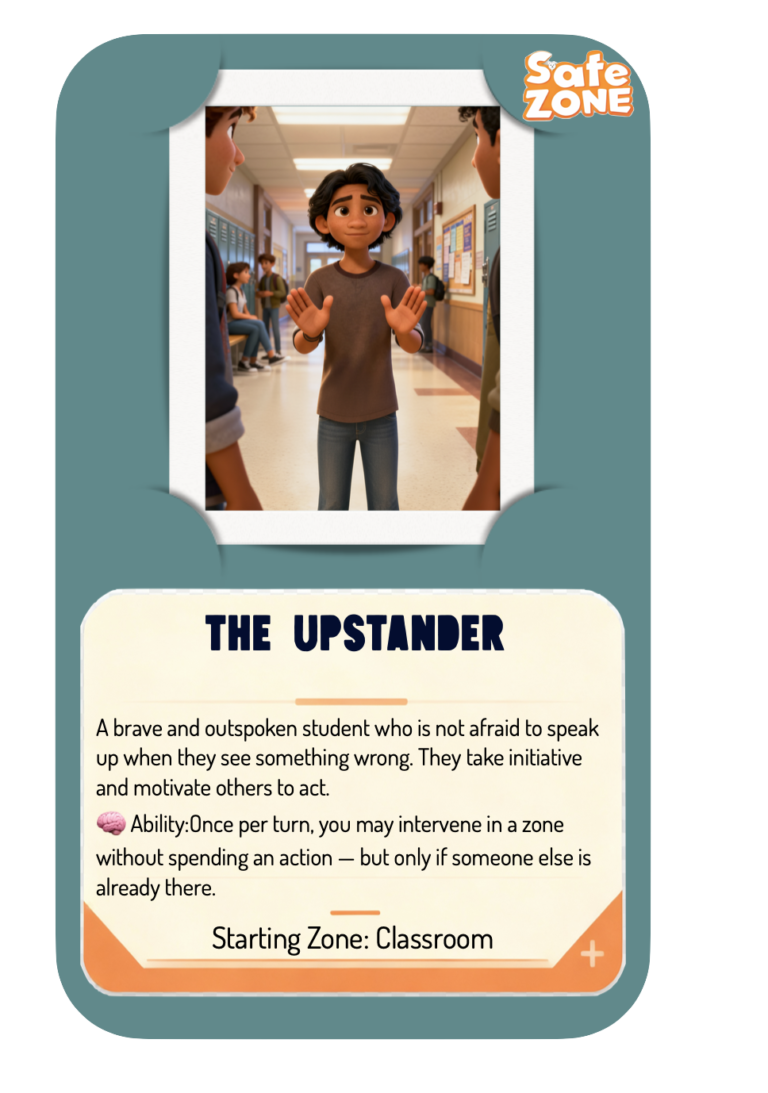
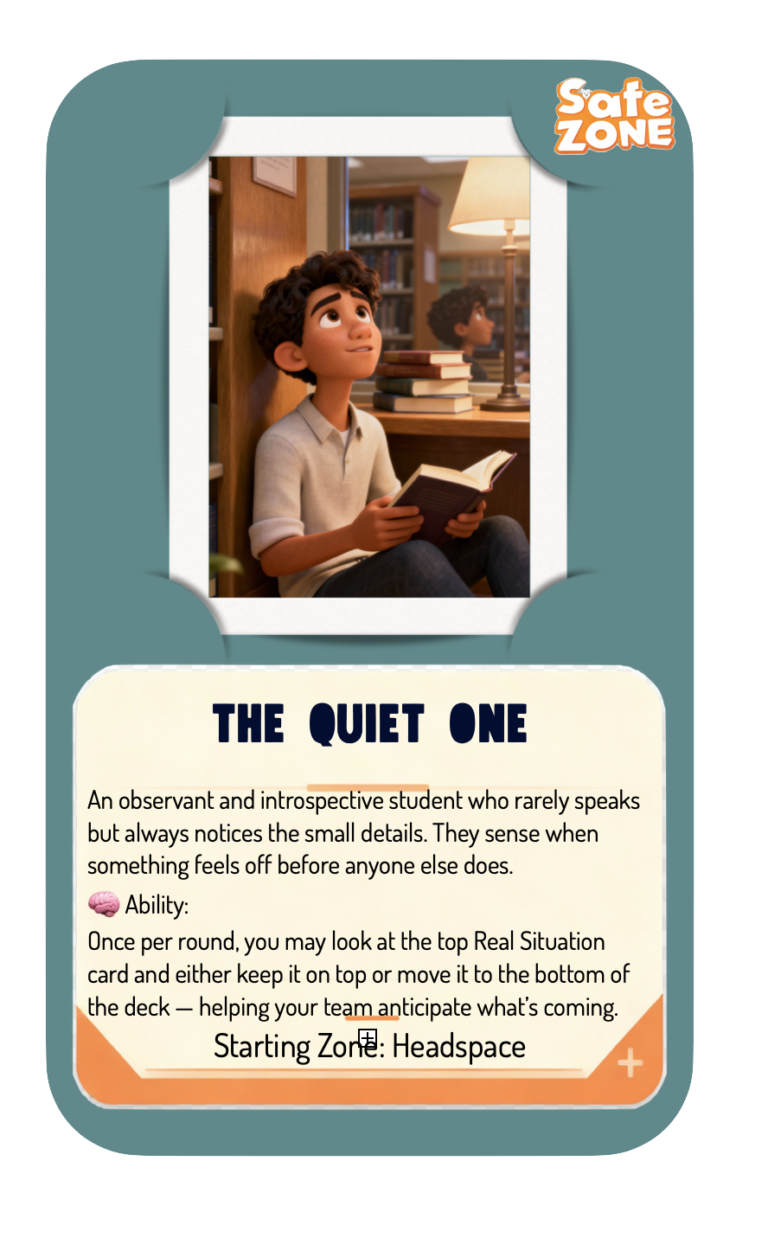
Real roles. Real people.
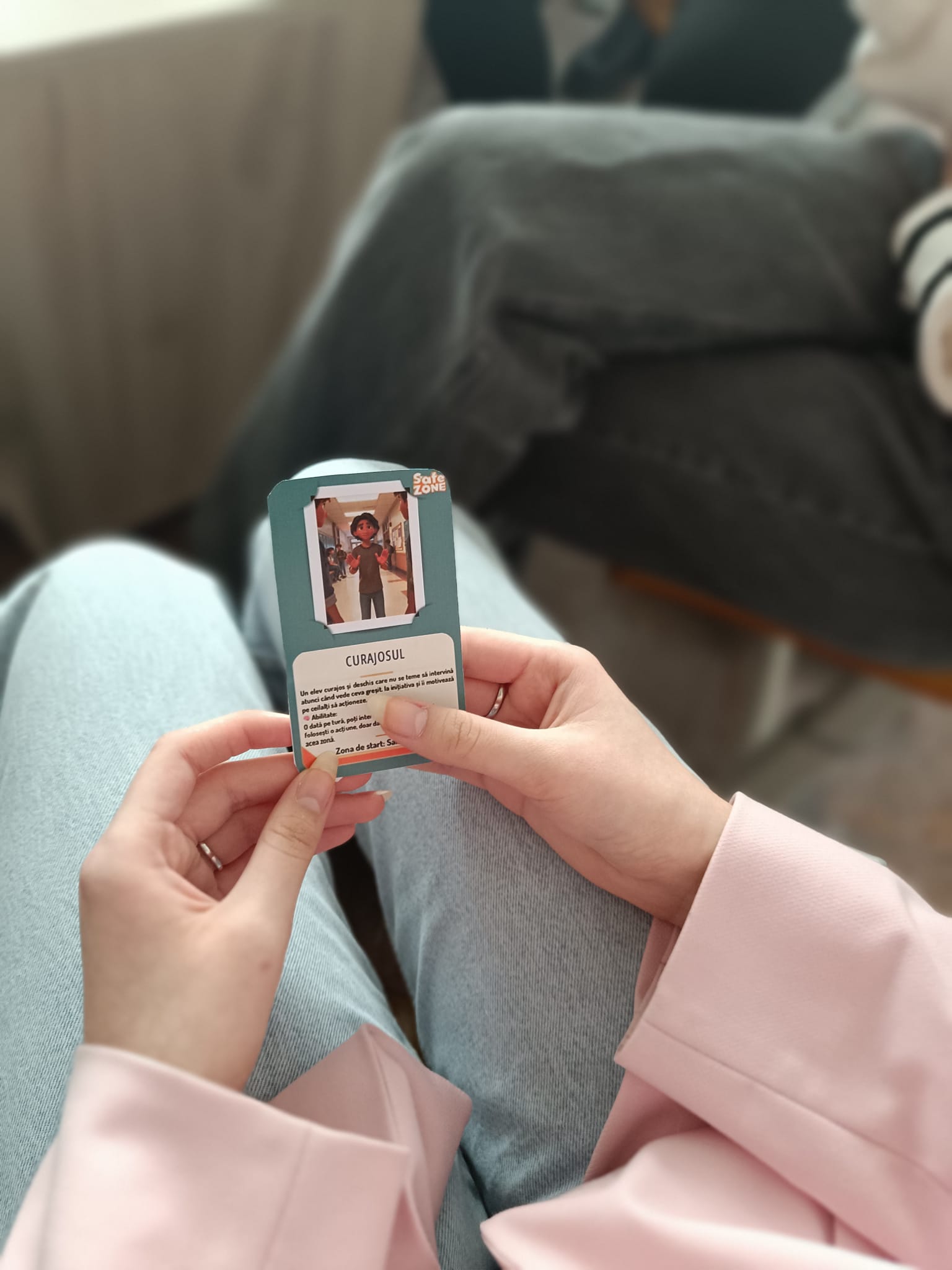
Every character in Safe Zone represents a type of person you find in any secondary school — and in any group. These roles exist because bullying is not fought alone. Each profile has a unique ability and a starting zone on the board.
The support network · bystander psychology
Why it's hard to act
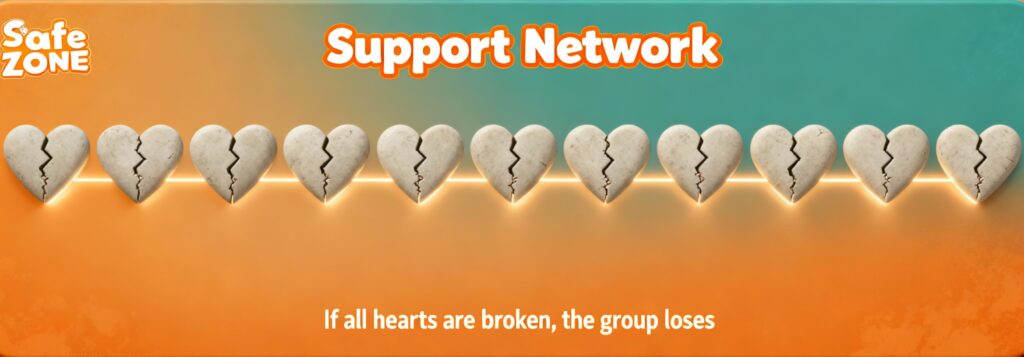
The Support Network represents the group's collective emotional health — 10 hearts (plus 1 you wear). Place 10 tokens on the hearts and remove them as they break. If all are broken, the group loses.
The bystander effect is not indifference — it's fear. Most witnesses feel uncomfortable but are paralysed by specific fears:
Fear of becoming the target
"If I get involved, I'll be next."
Fear of group rejection
"If I defend them, I'll be left out."
Fear of being wrong
"Maybe I'm overreacting. Maybe it's not that bad."
Fear of others' silence
"Nobody else says anything. Maybe it's normal."
Fear of not knowing what to do
"What if I make it worse? I don't know how to act."
The debrief — 4F Model
Where real learning happens
Allow 20–30 minutes. Form a circle. The facilitator guides with questions — never gives answers. There are no right or wrong answers in this debrief.
FEELINGS
How did you feel during the game?
Was there a particularly tense or difficult moment?
How did you feel working as a team?
facts
What happened in the game?
Which situations were hardest to resolve?
What strategies did the team use?
FINDINGS
What did you learn or discover?
Did you recognise any situations from real life?
What surprised you about the group’s reactions?
FUTURE
What would you do differently in real life?
What small action could you take this week?
Can you be an Upstander in your real environment?
WHAT IT ACHIVES
The team wins if all Real Situations are resolved without losing all 10 Support Network hearts or triggering too many Crisis Cards. Safe Zone is a mirror of how actions—or inaction—affect others. It uses teamwork, strategy, and empathy to help players develop critical skills in conflict resolution and intervention. By reflecting on the game, players discover insights that might influence their real-life actions in combating bullying. No competition — your group wins or loses together. The real learning happens in the debrief, where game situations connect to real lived experiences and open genuine conversations.
TESTING THE PROTOTYPE
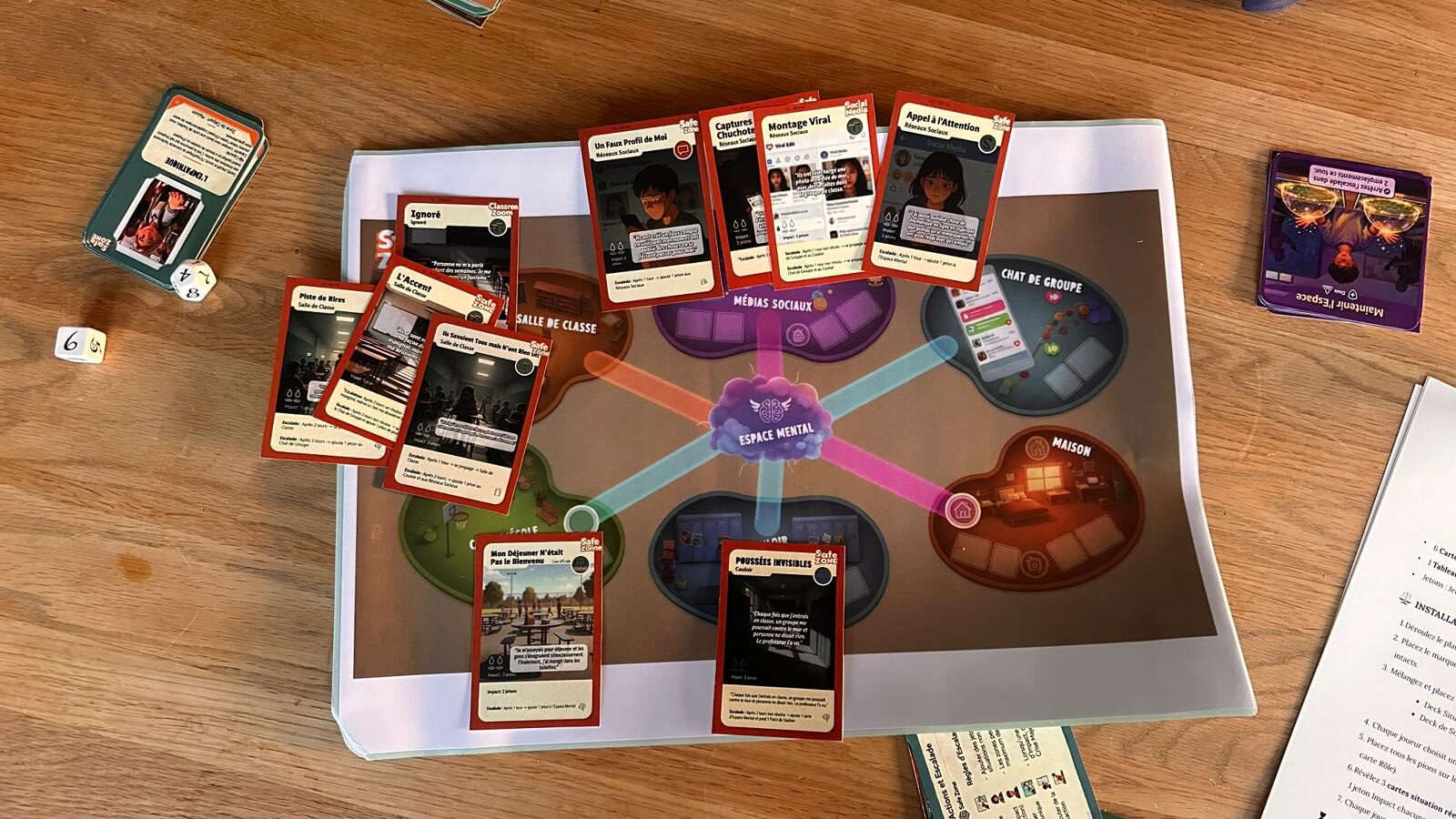
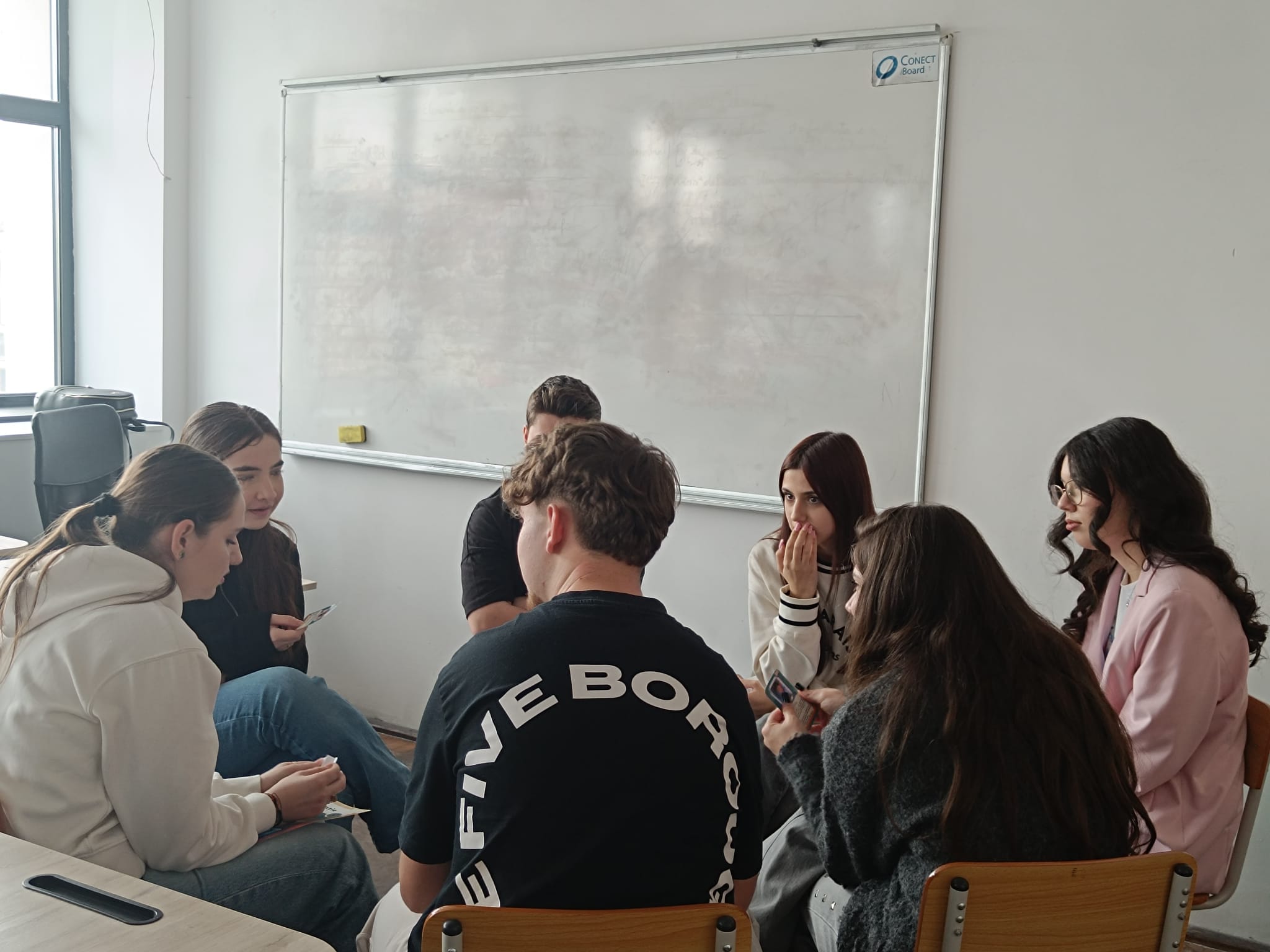
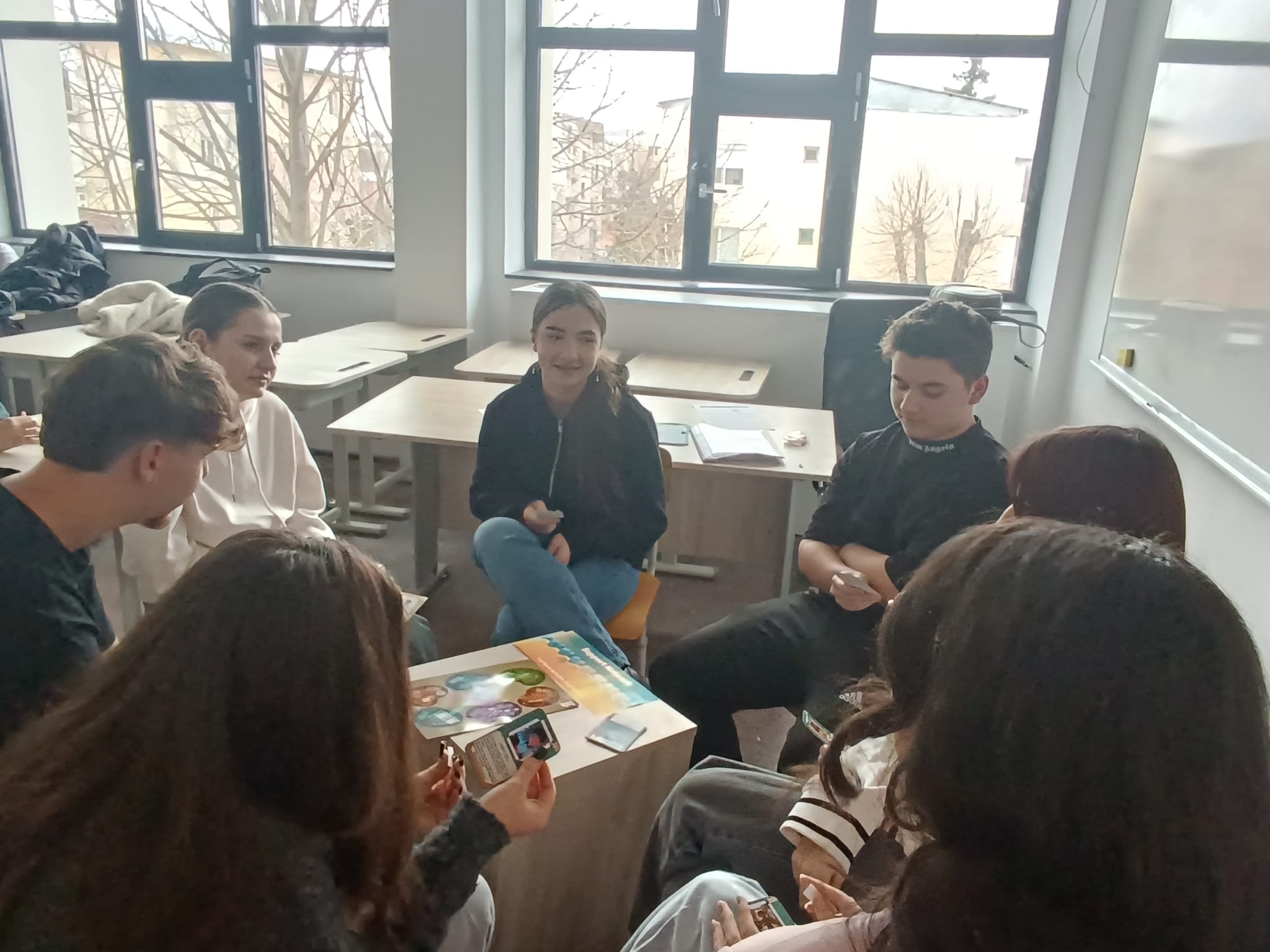
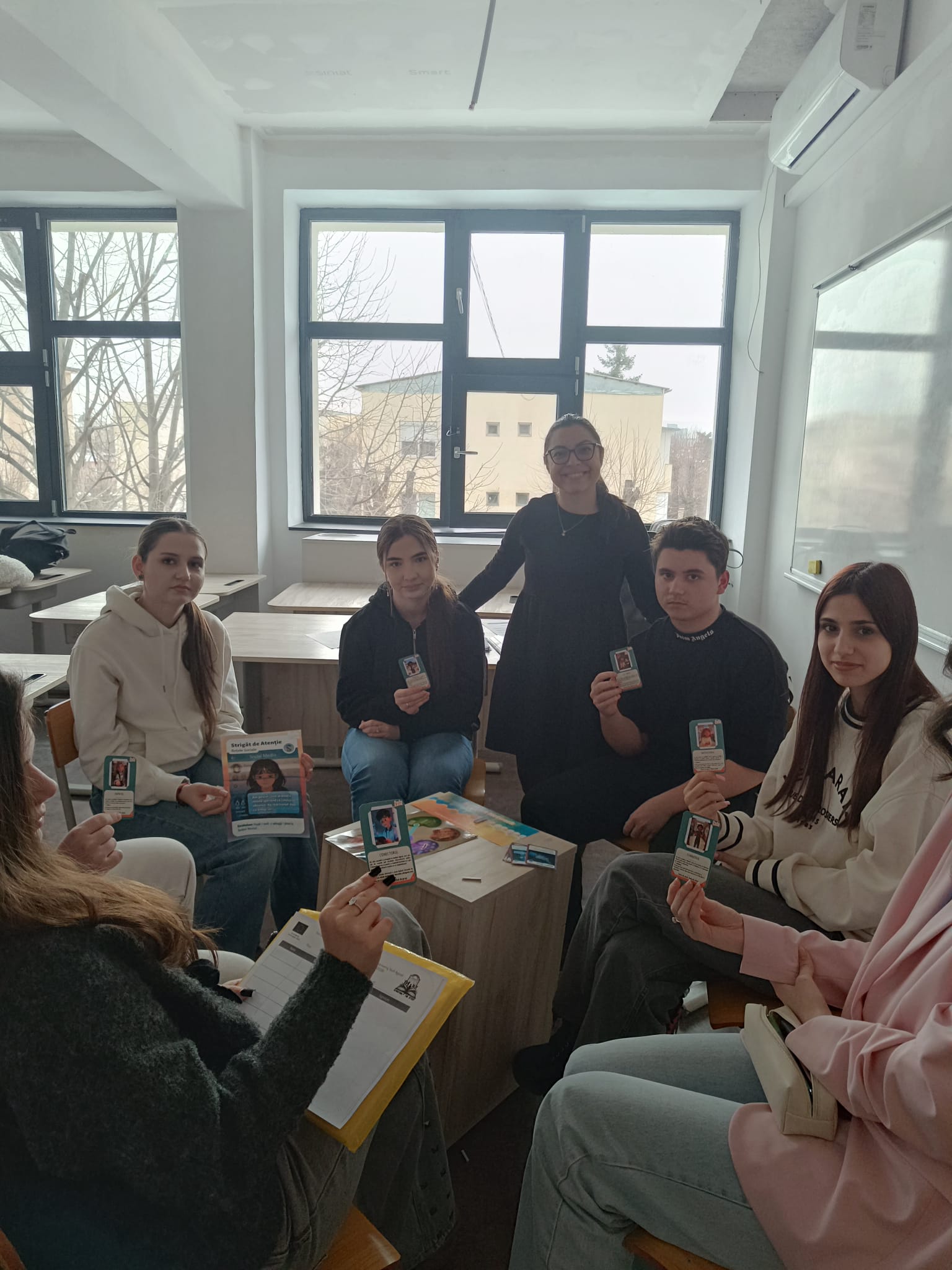
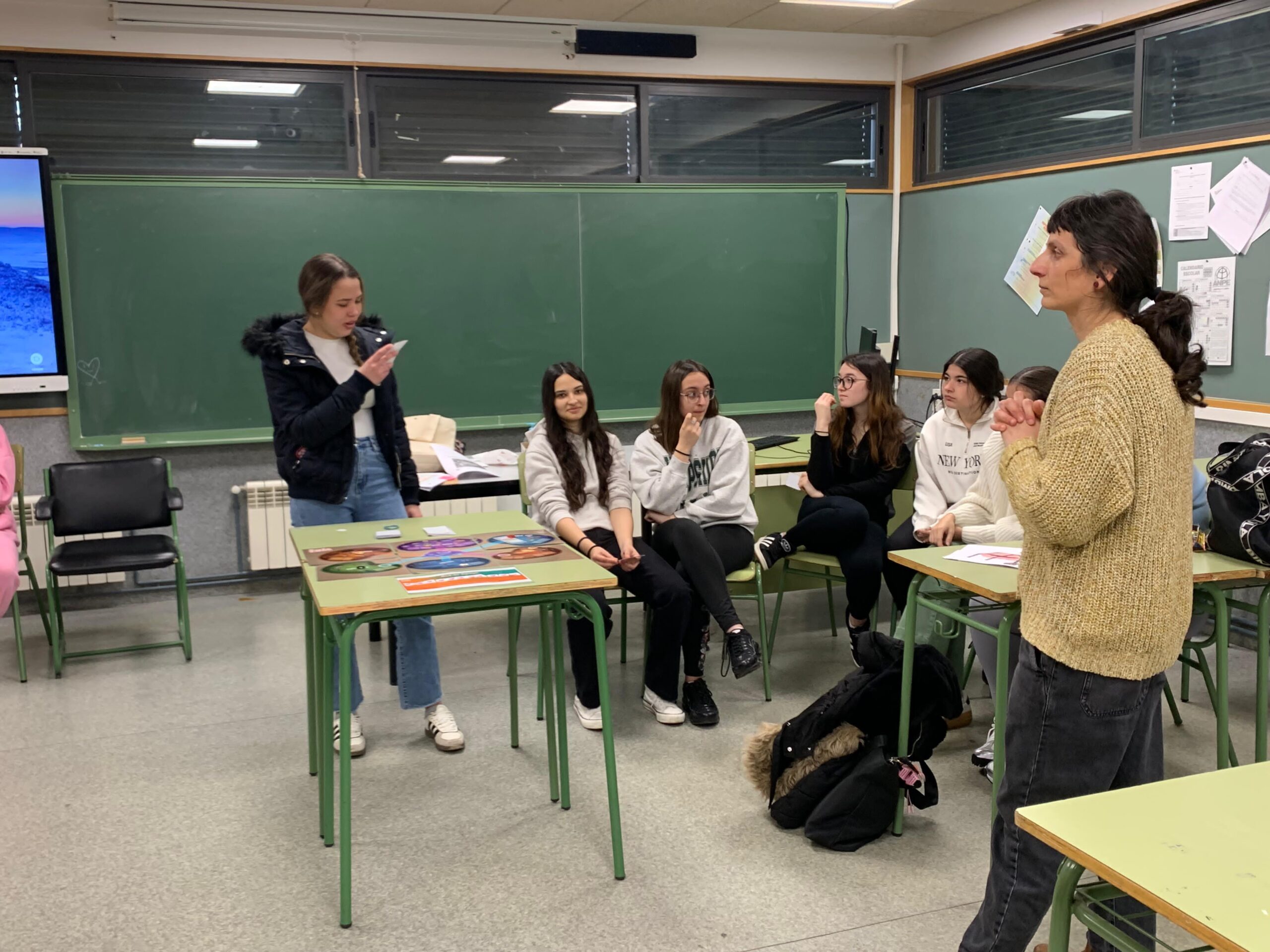
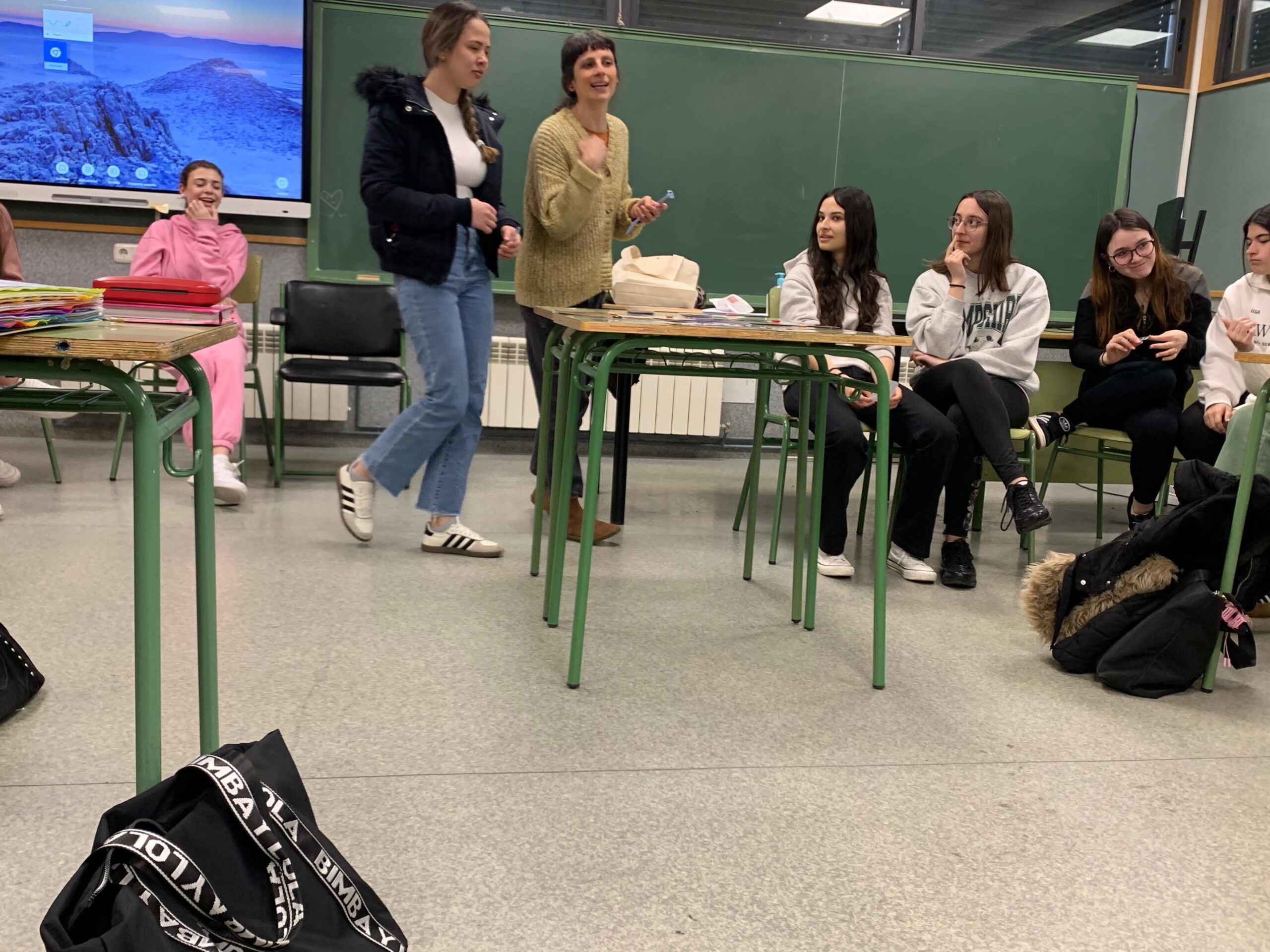
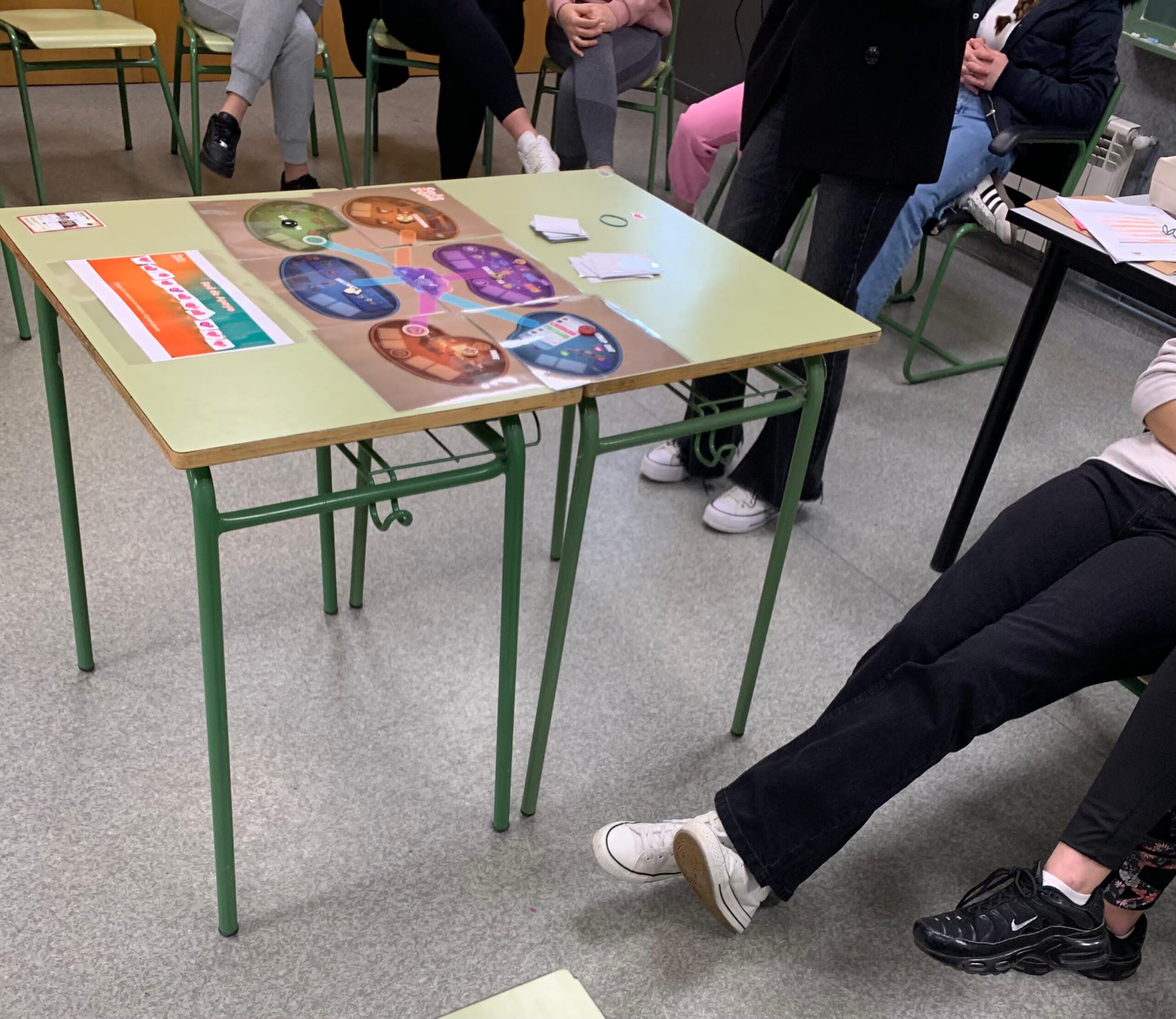
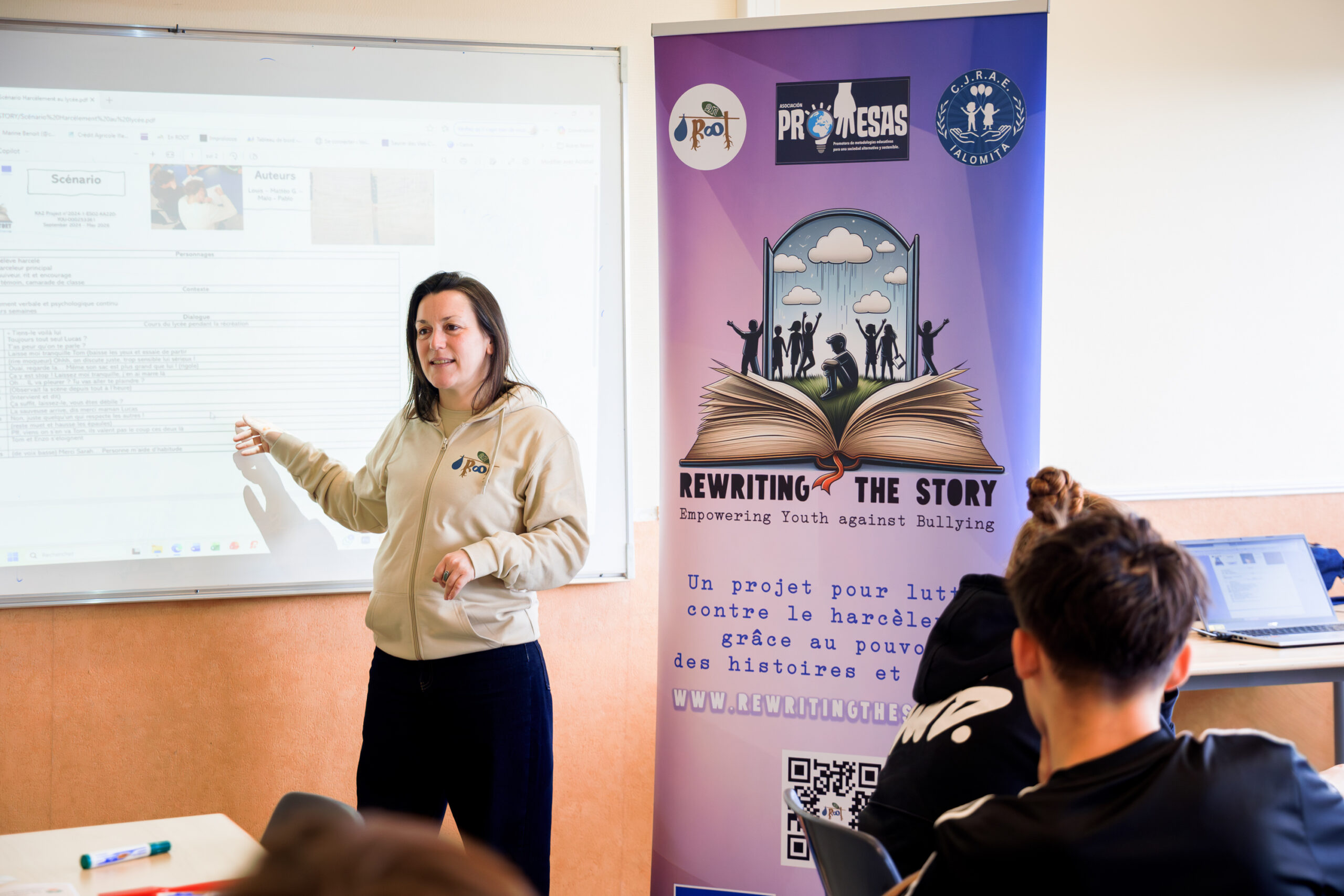
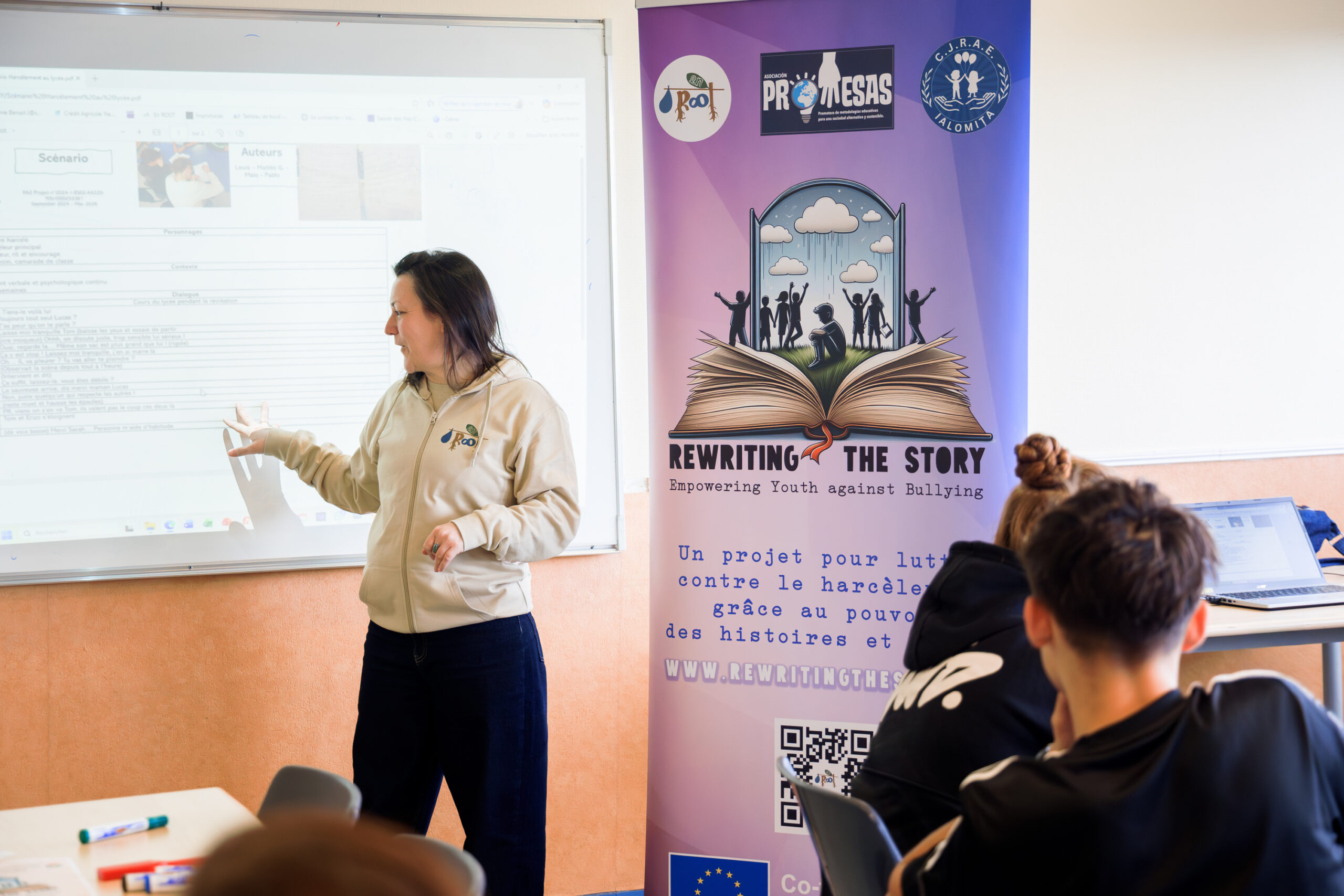
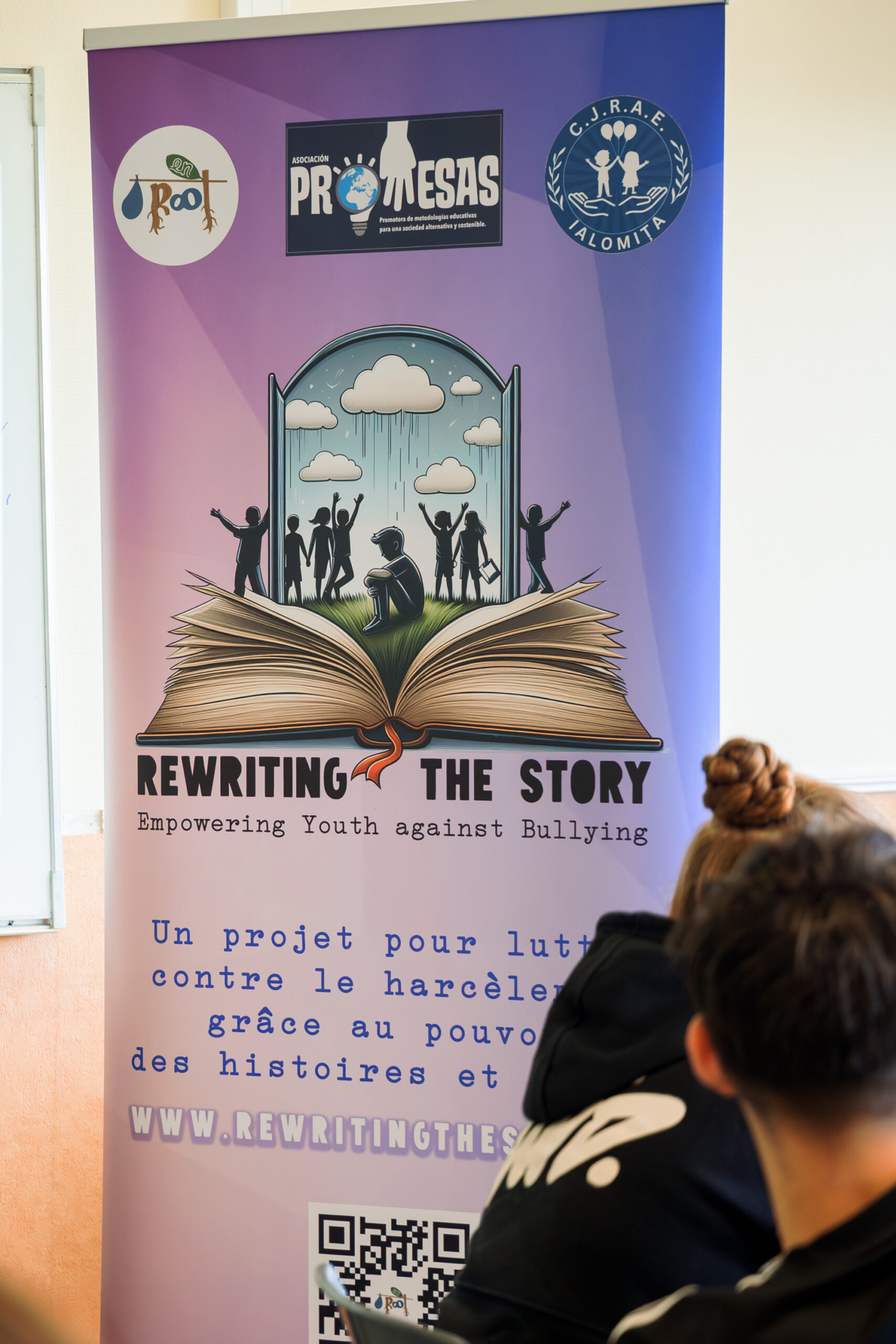
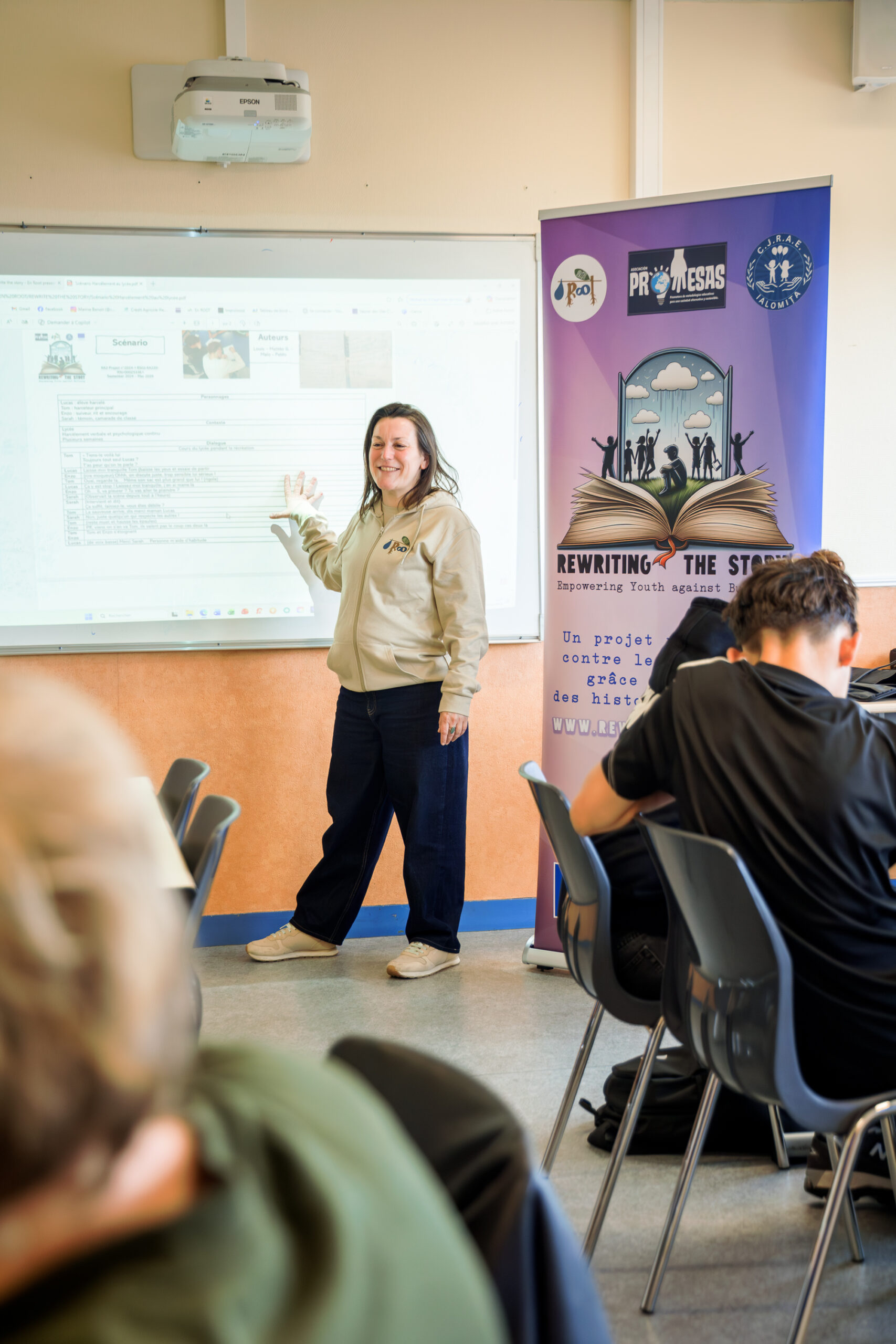
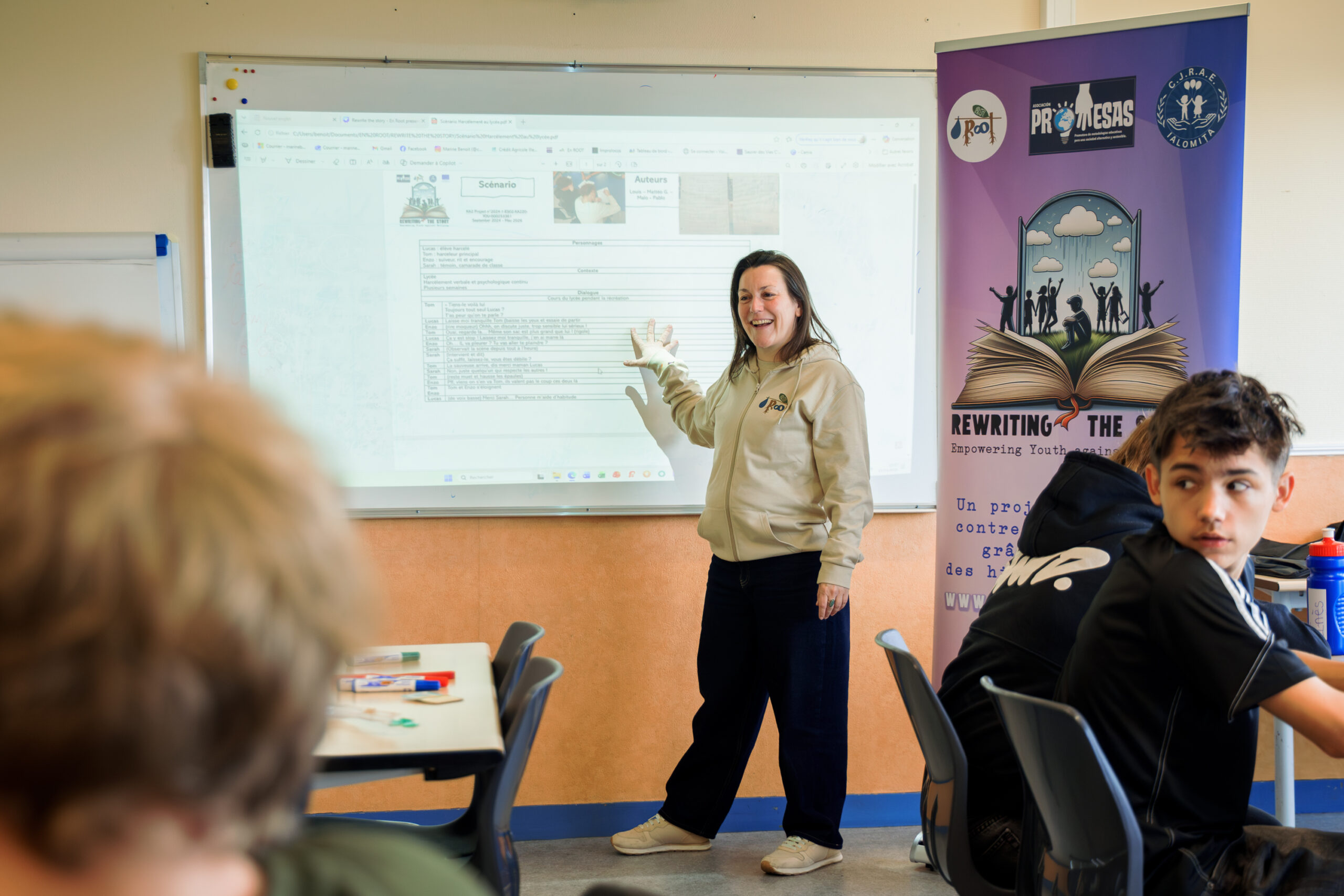
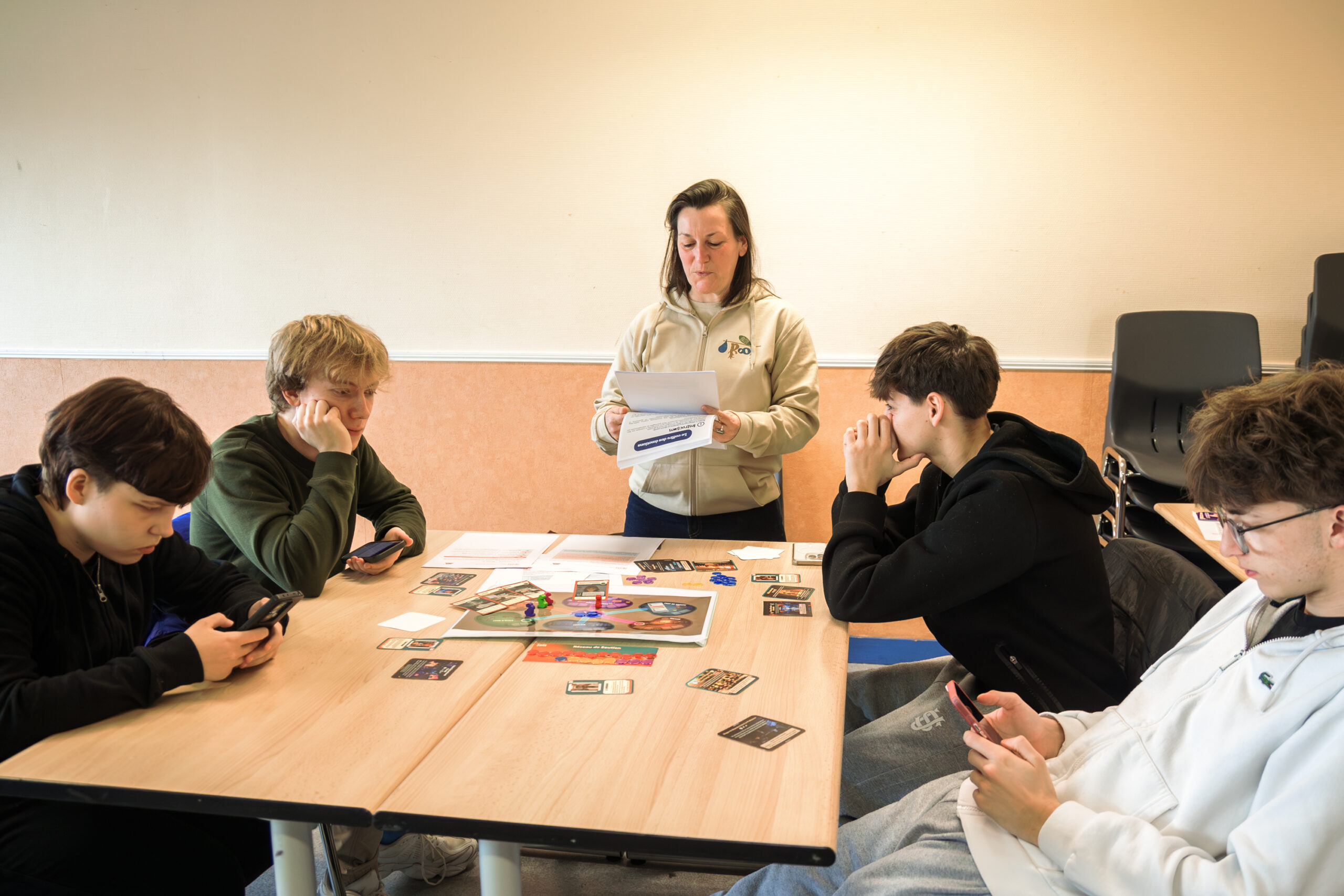
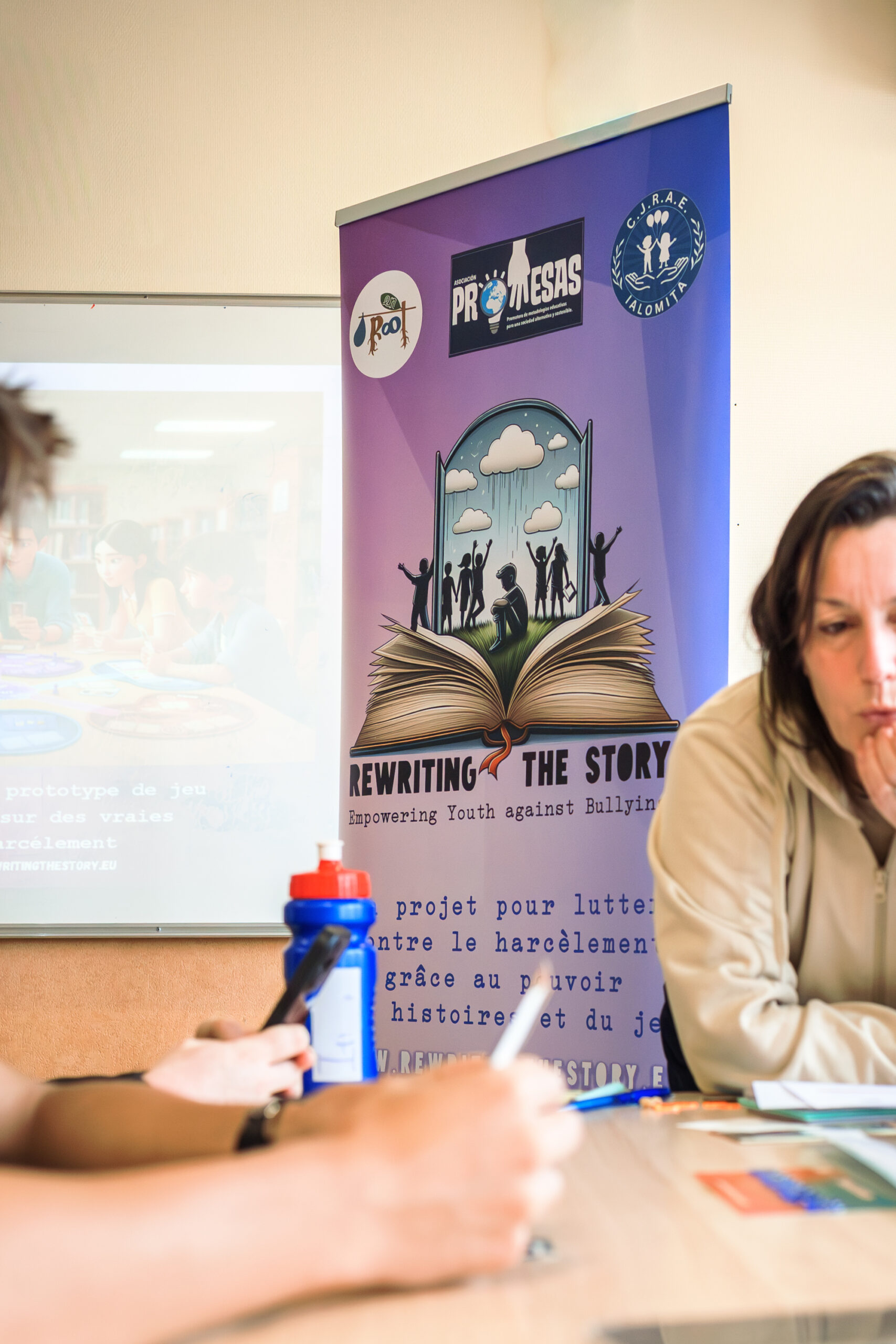
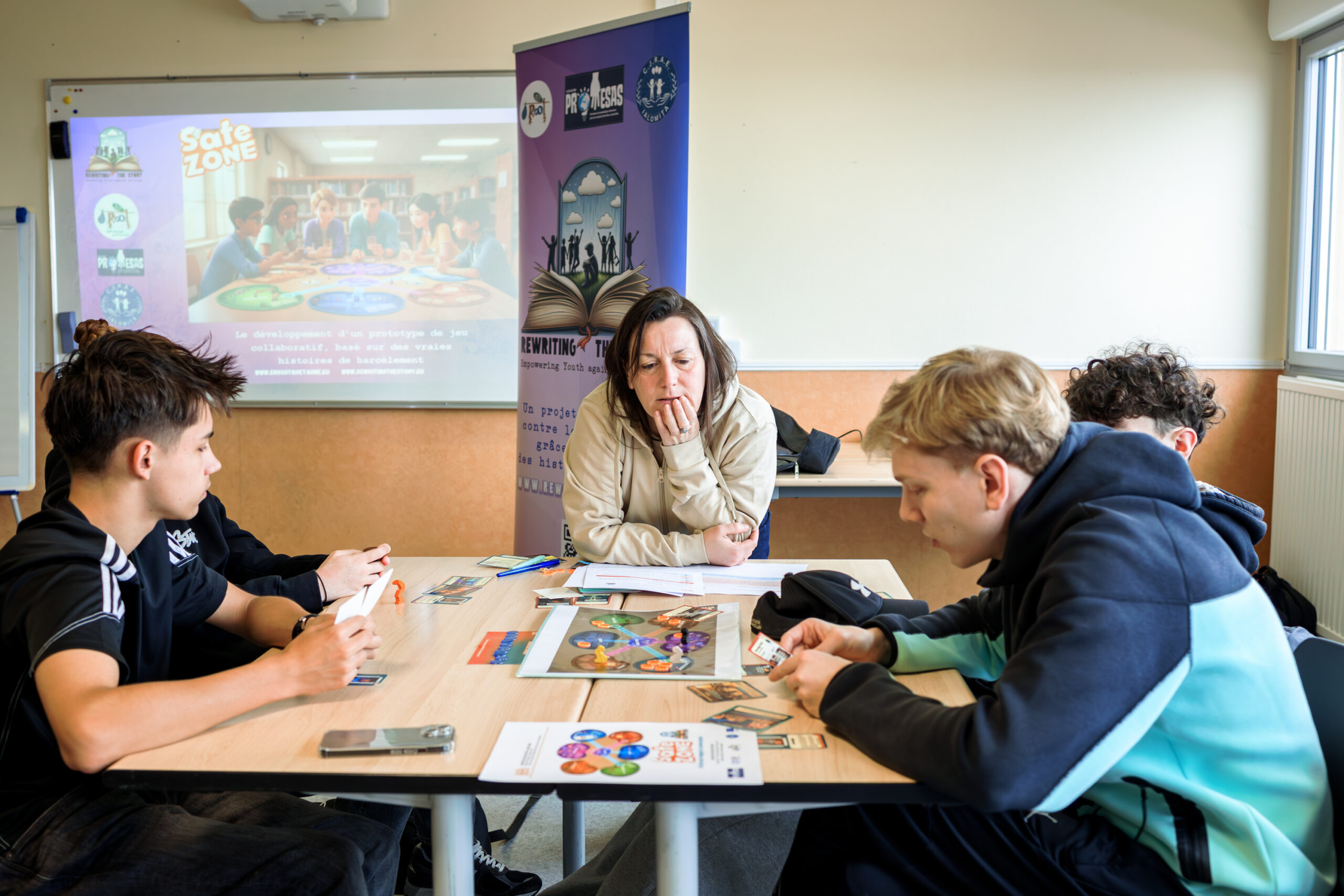
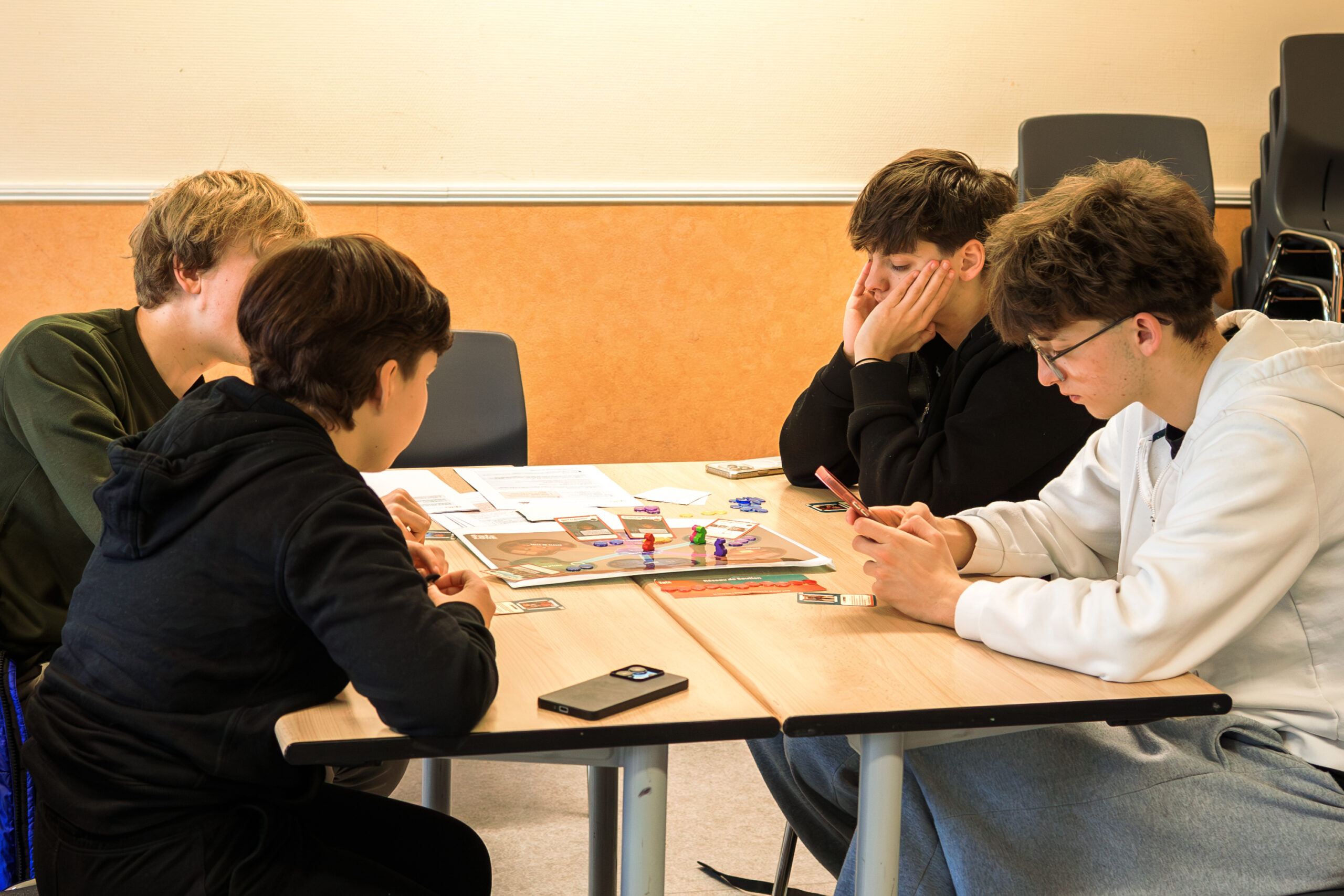
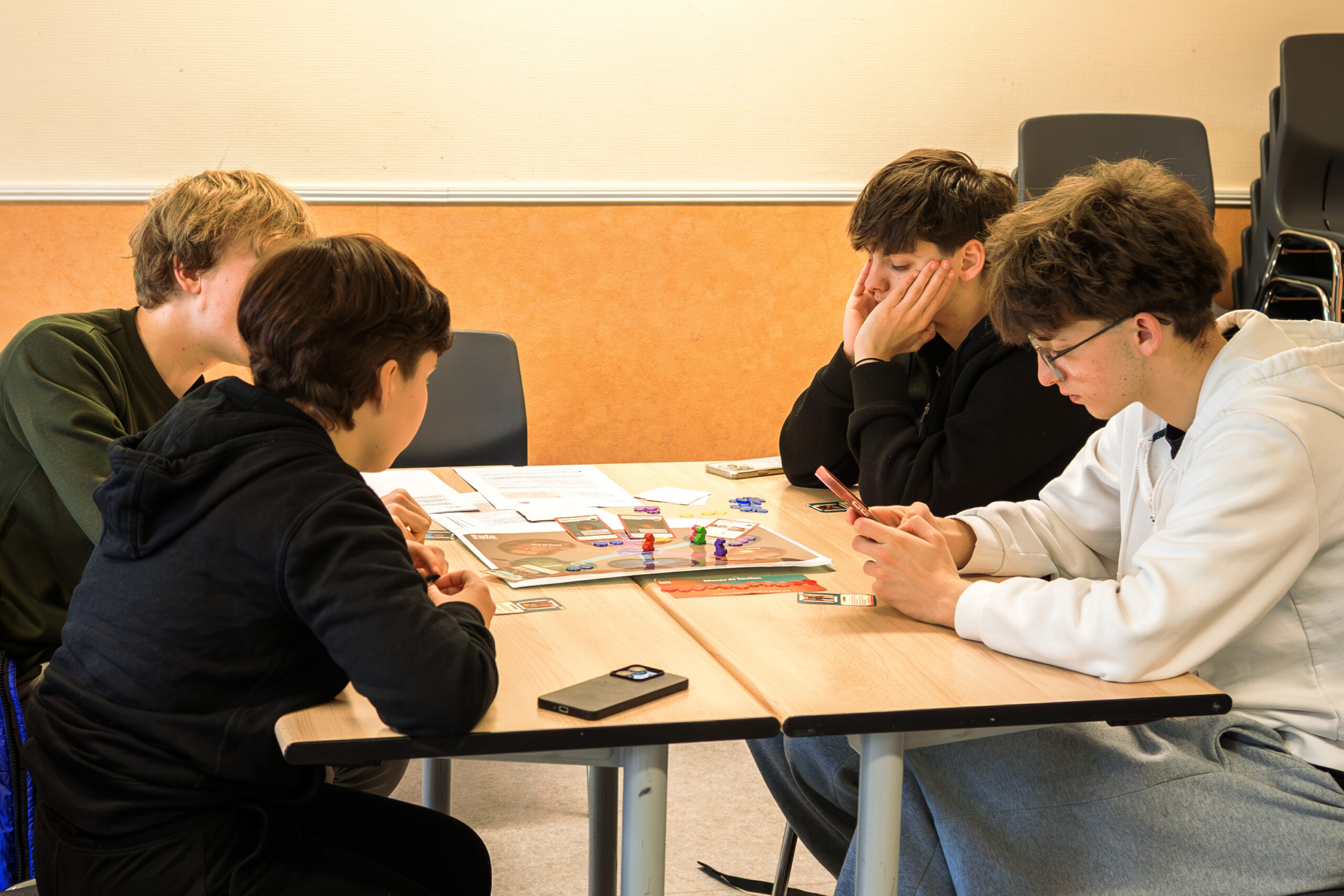
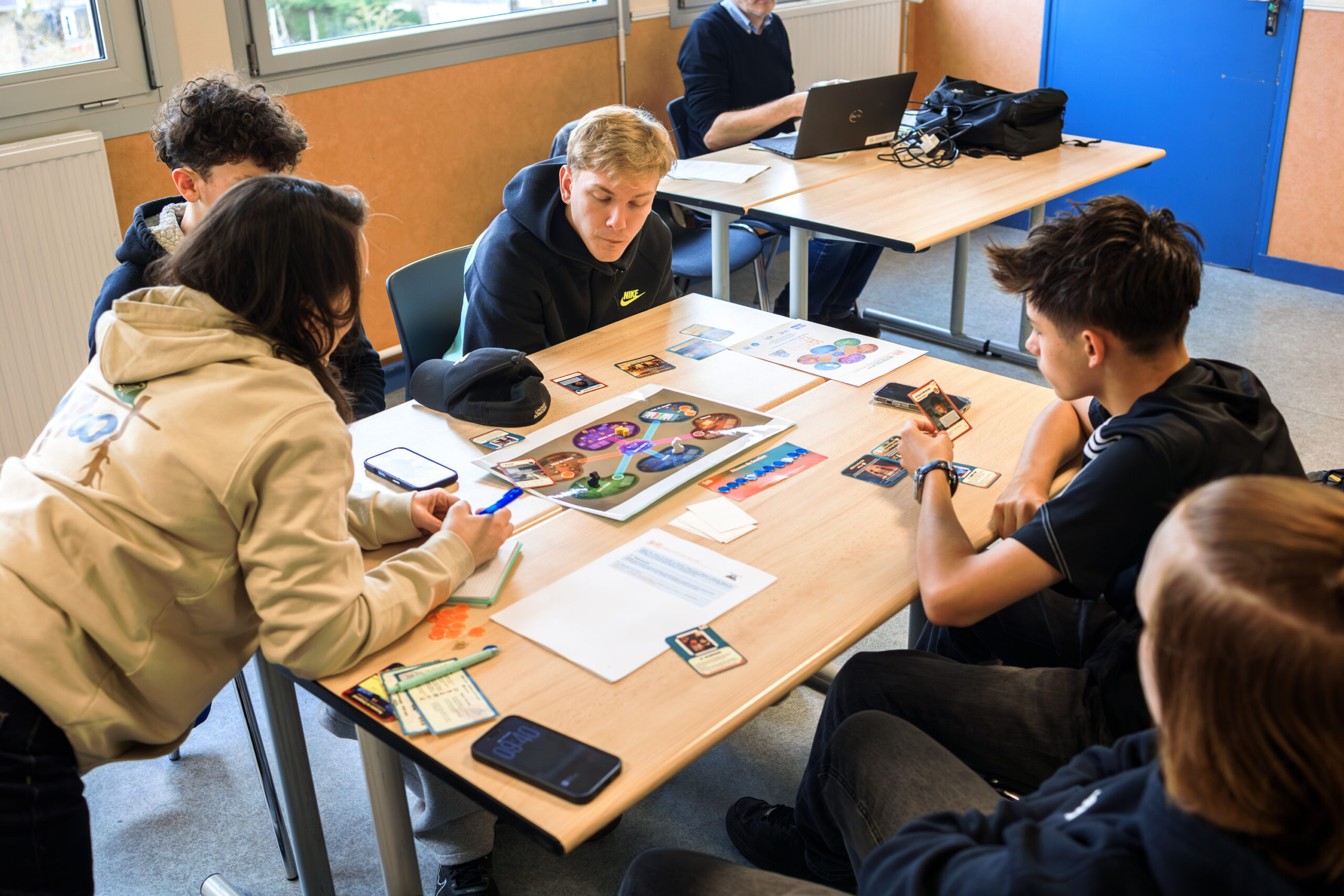
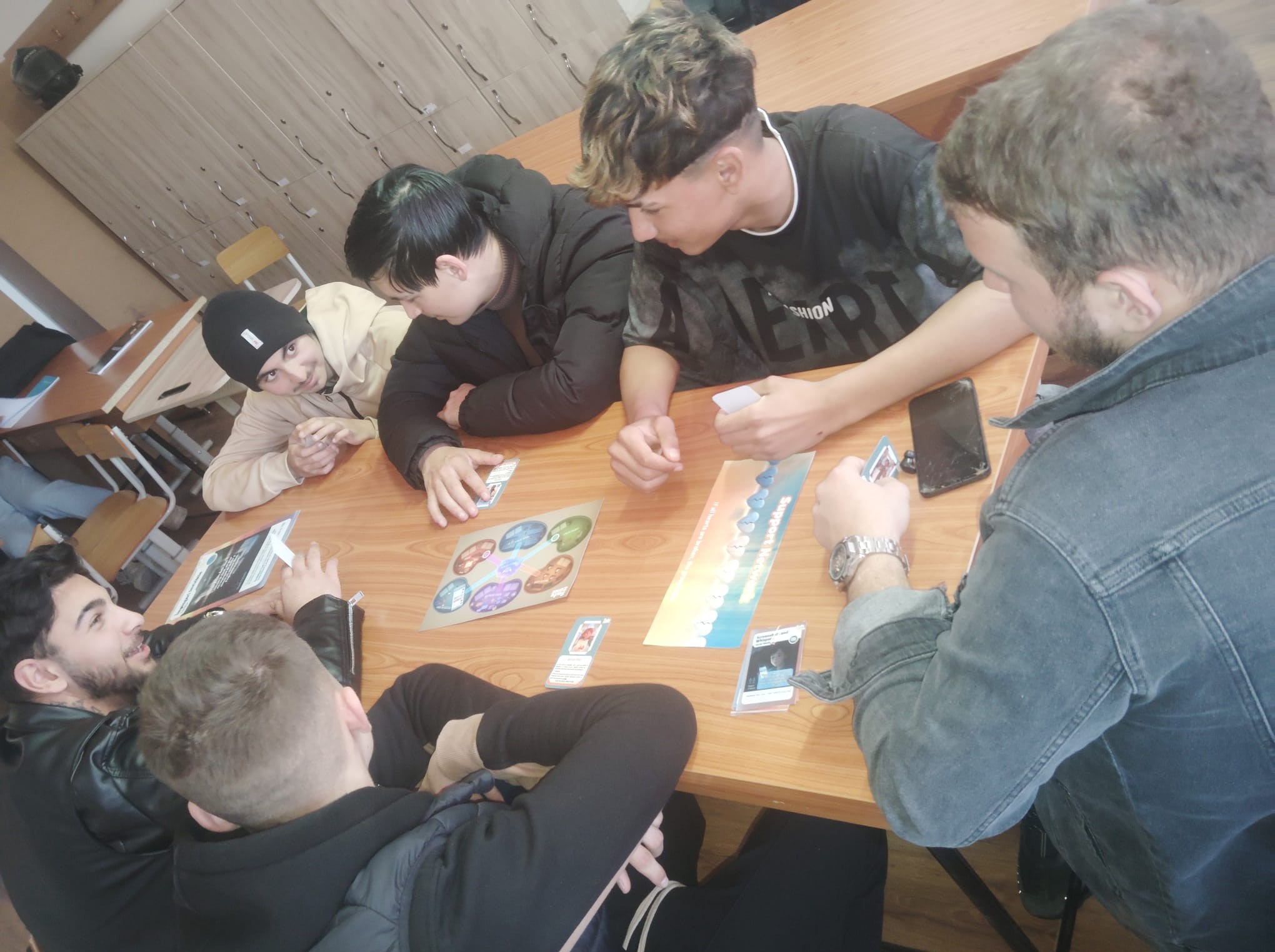
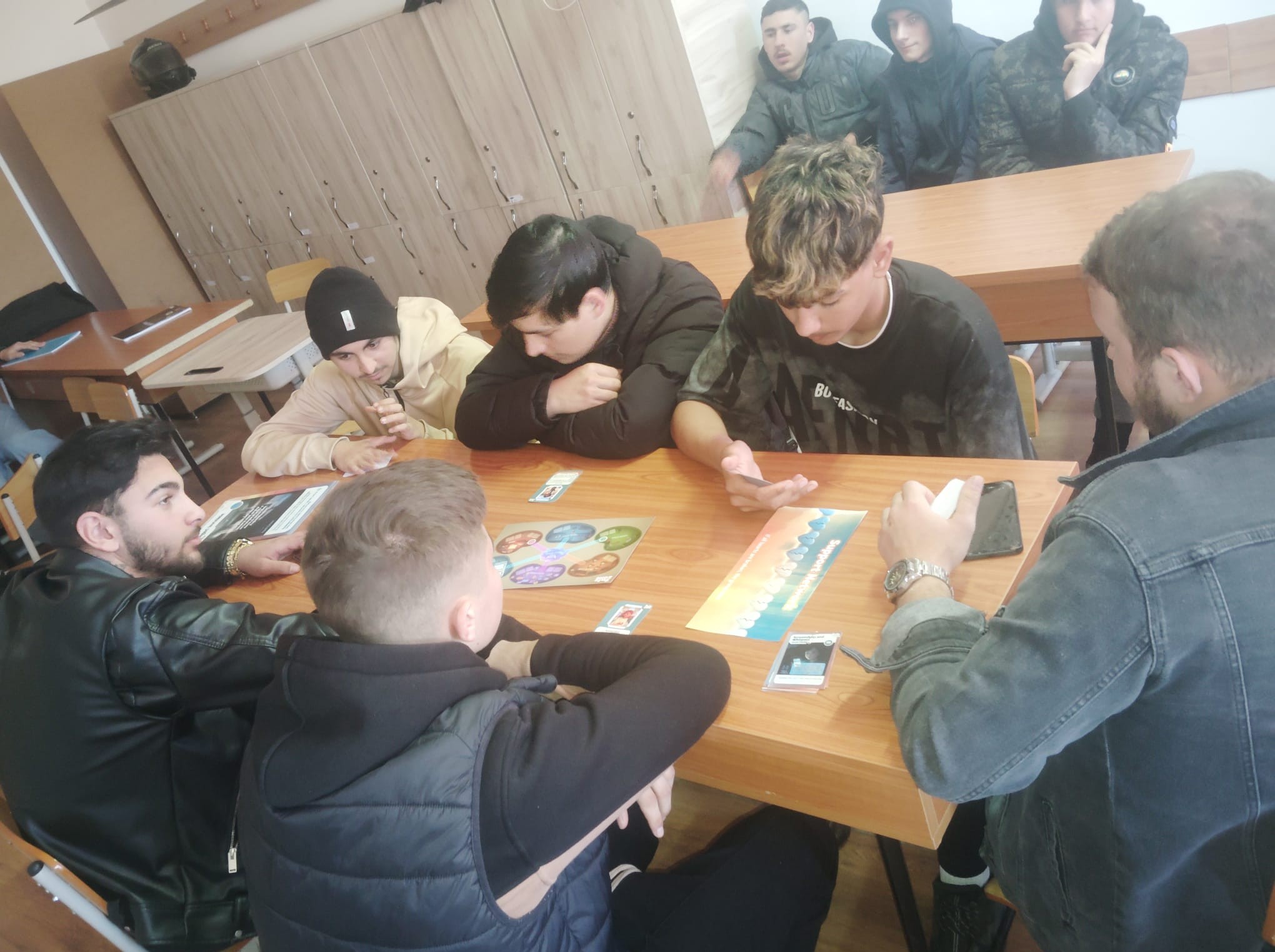
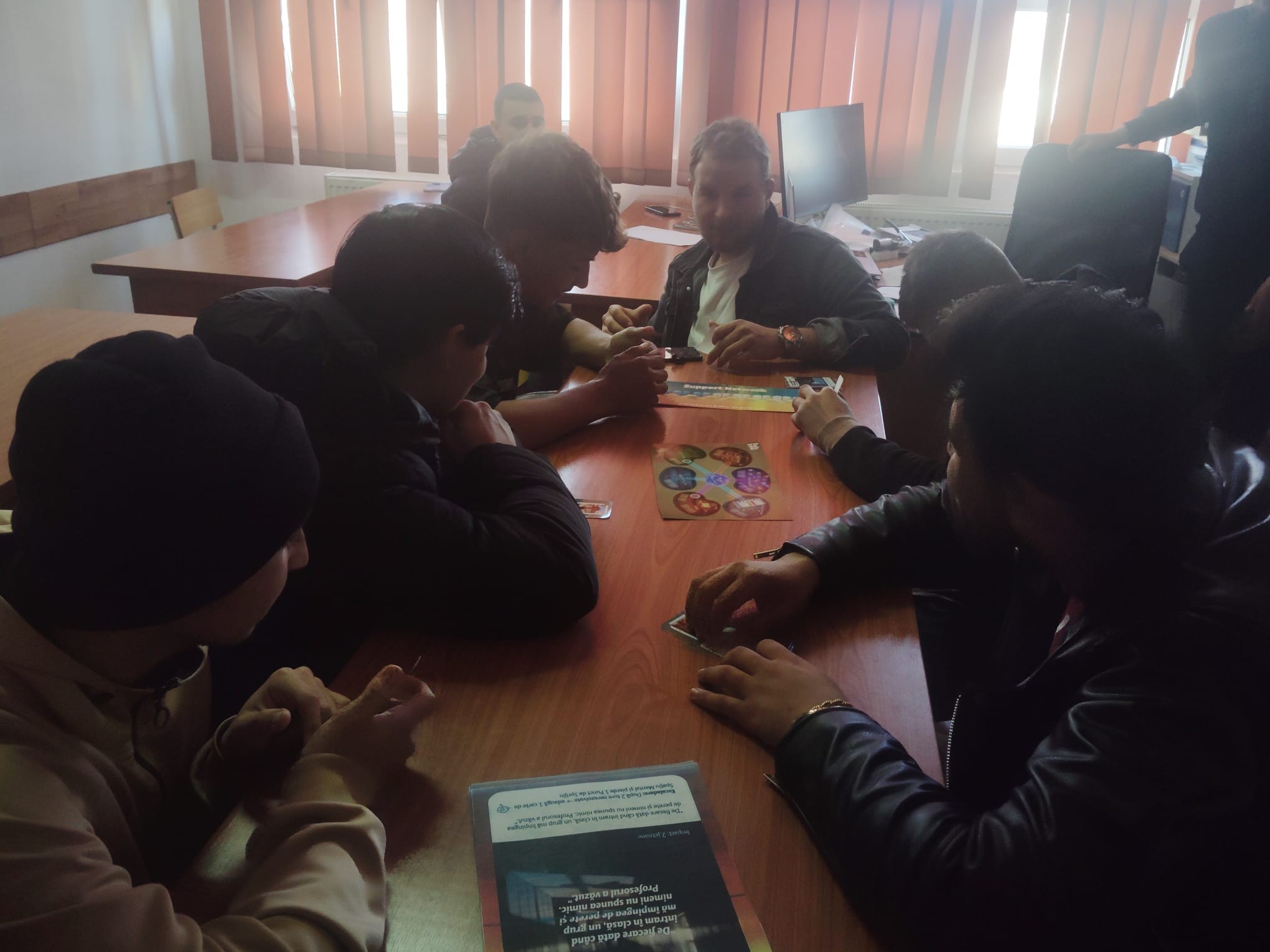
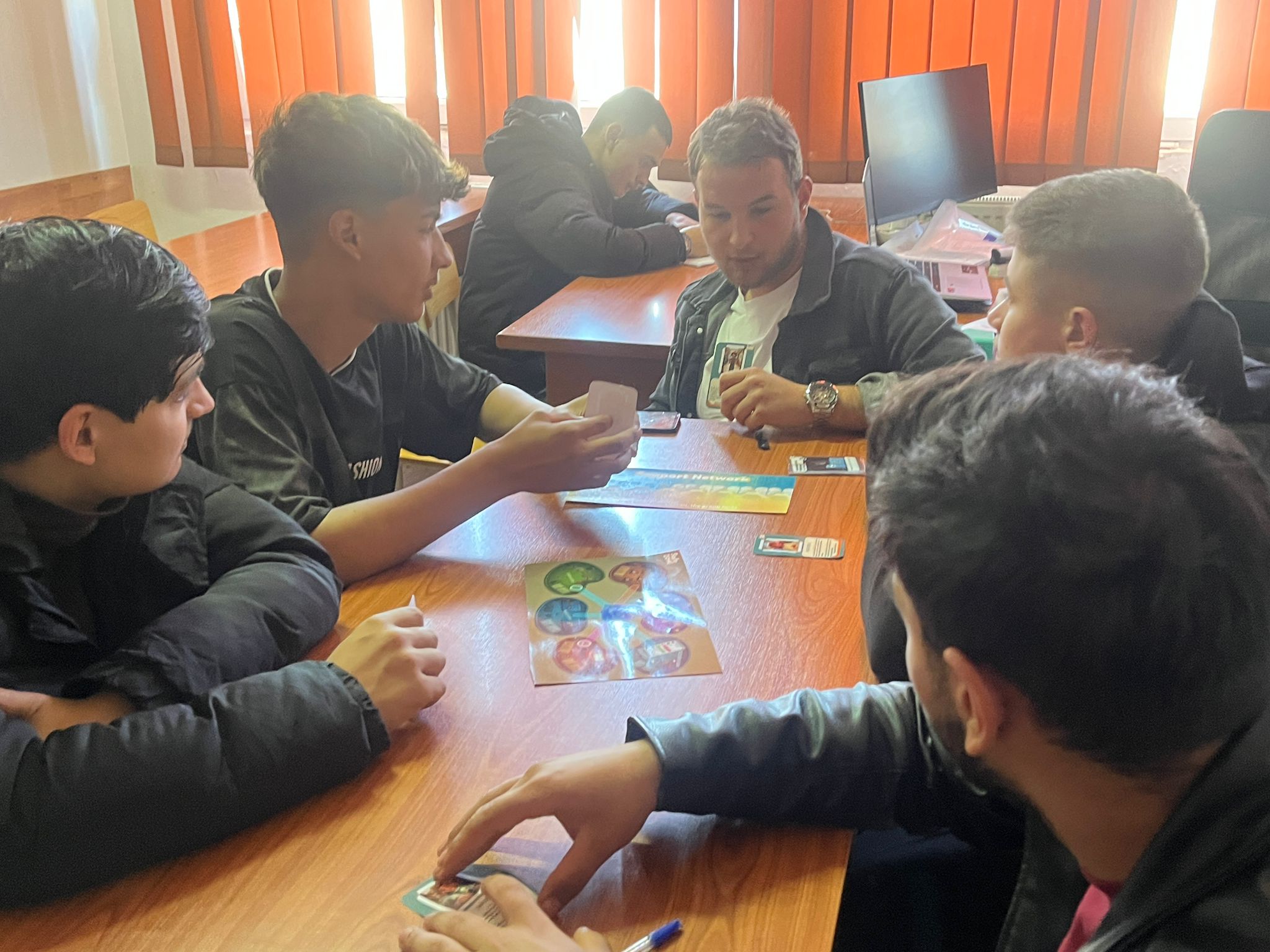
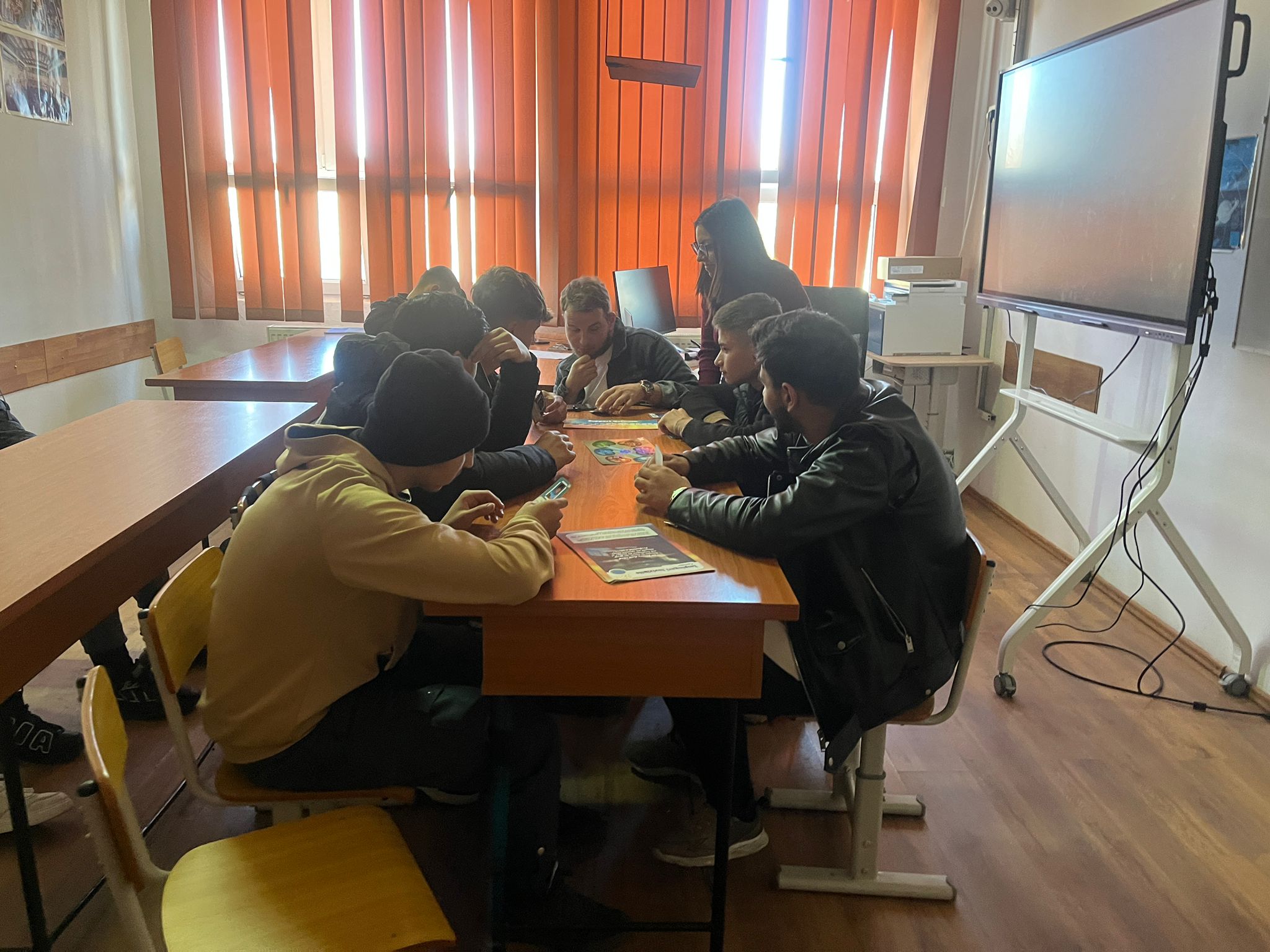
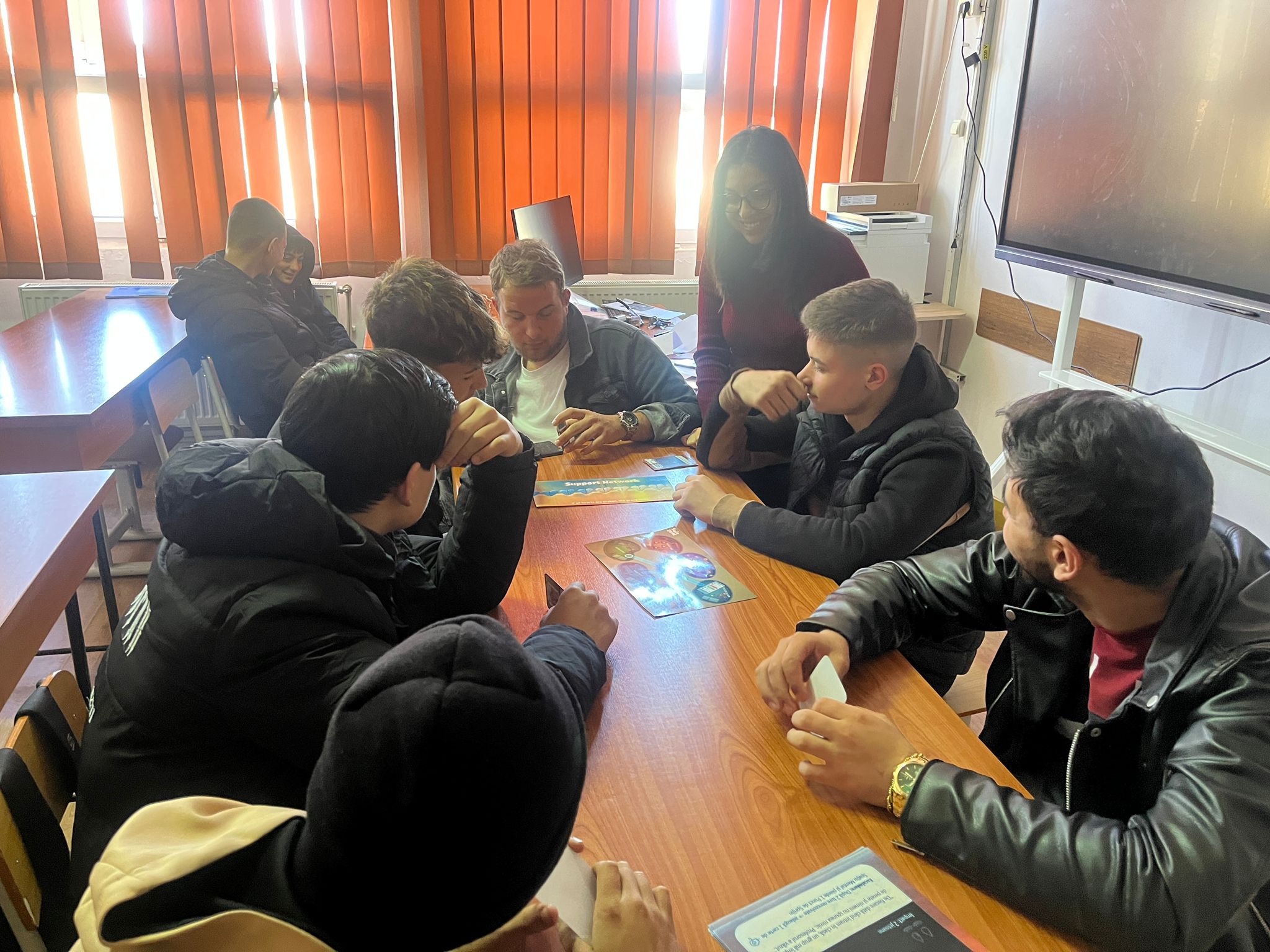
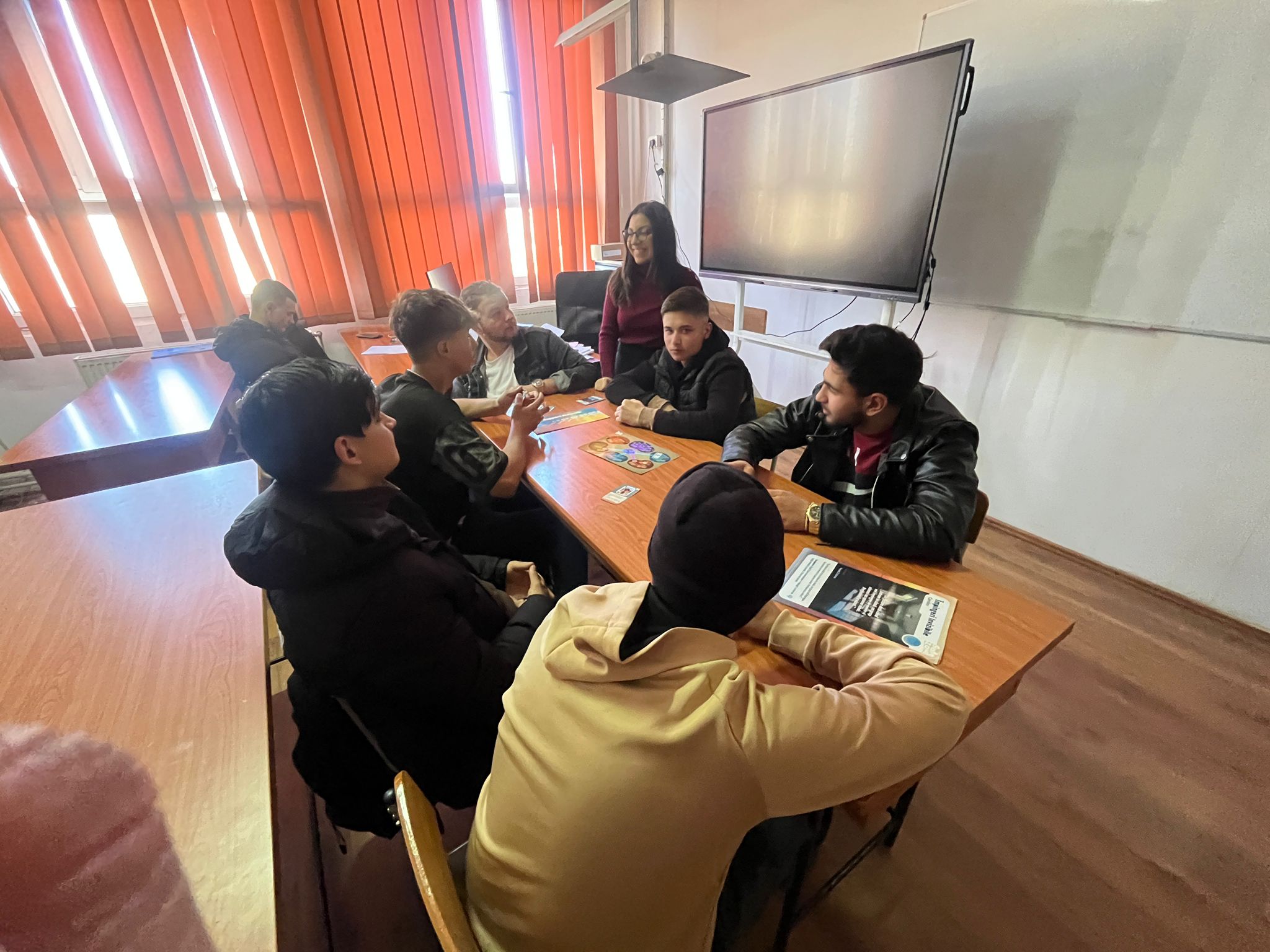
The prototype of the SafeZone game was successfully tested in the partner countries Spain, Romania, and France through workshops and pilot activities, confirming its effectiveness in promoting resilience and anti-bullying social skills.

Facilitator manuals
Ready to facilitate?
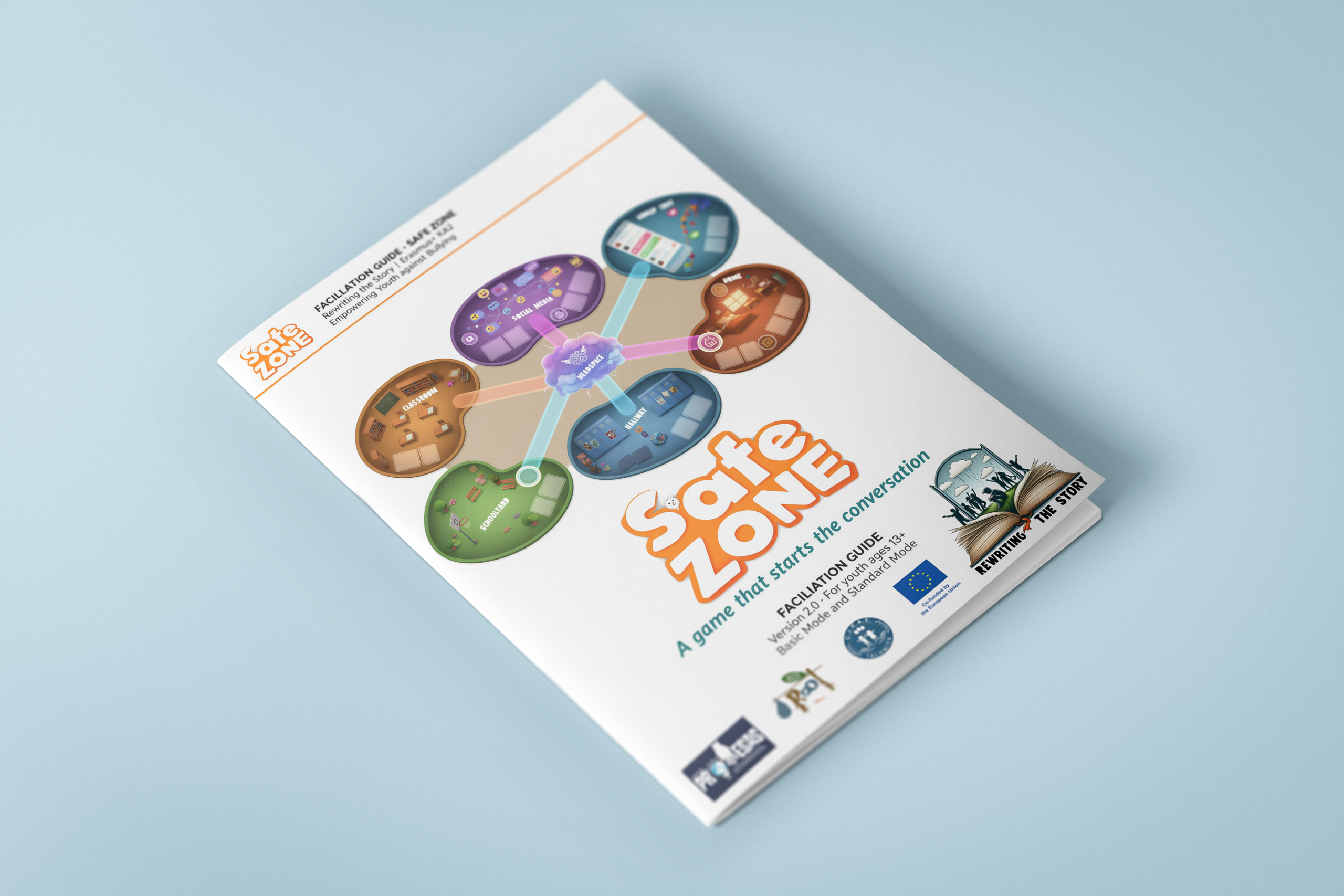
Download the complete facilitator guide in your language — all game mechanics, roles, card types, bystander psychology, 4F debrief model and facilitator tips.
the game
Download the Safe Zone Kit
Download the complete Safe Zone Kit for free and give young people a fun and powerful tool to combat bullying. It includes the game rules, all the cards and the materials needed to play!